


Unlock Exponential Growth with LinkedIn Outreach Automation by MAKREATE
In today's competitive B2B landscape, effective lead generation is the lifeblood of any growing business. LinkedIn, with over 900 million professionals,…
READ ARTICLE Skip to content
Trusted by 50+ Companies. From Governments & Banks to Small Businesses & Start-Ups.






Pick a service. Each one links to its full breakdown — what's included, deliverables, and pricing.
Brand systems, websites, apps, and the design that goes around them.
 Brand
BrandLogo, identity system, voice, brand guidelines
 Design
Packaging, decks, social, print, event collateral
 Design
Research, wireframes, prototypes, design systems
 Build
BuildLanding pages, marketing sites, ecommerce builds
 Build
BuildLLM features, RAG, agents, integrations
 Build
BuildiOS, Android, on-device AI, custom apps
Campaigns, channels, and outreach systems that drive measurable pipeline.
 Marketing
Google, Meta, LinkedIn, X — full-funnel paid ads
 Marketing
Strategy, creative, scheduling, community
 Marketing
Technical, on-page, content, link-building
 Marketing
ICP lists, sequences, copy, replies
 Marketing
Domains, warm-up, sequences, deliverability
Some of these are companies our team members worked with prior to joining us.


Real words from people who've signed off real invoices.

Murtaza was supporting a project for over a year (when I was with the India system in 2020), and the entire BCG team and MDPs (Managing Director and Partners) were very happy with his performance on the case. I can strongly recommend him.
Service used: UX Design
Makreate did a fantastic job on our LMS project, delivering a platform that truly aligned with our vision. They covered all the key aspects and presented the concept clearly and effectively. The team's effort and dedication were evident throughout the process, and the final result exceeded expectations.
Service used: UX Design
Working with Makreate was a transformative experience for Glassworld. The website they designed and developed for us is not only visually appealing but also highly functional and easy to navigate. Thanks to their responsive design expertise, our website looks flawless across all devices. I highly recommend Makreate to any business seeking a polished, user-friendly online presence.
Service used: Website Design & Development
Collaborating with Murtaza (Founder at MAKREATE) proved to be a highly positive experience. Leveraging his expertise in designing dynamic mobile applications, he successfully laid a robust foundation for our app, which not only meets our current deliverables but also provides a scalable platform for future development.
Service used: UX Design
Before partnering with Makreate, our monthly lead generation was almost non-existent, and the quality was low as well. Makreate's targeted campaigns not only increased our lead quantity in just a few months, but the leads themselves were far more qualified, genuinely interested prospects ready for conversion. Since starting work with them we've more than doubled our ad spend and are actively growing our team because we can't handle the amount of new work it has generated.
Service used: Advertising
I was really impressed with the work that MAKREATE did for us. They were able to take our complex ideas and translate them into a user-friendly and visually appealing design. The new website helped us increase conversions and retention, and we received a lot of positive feedback from our customers. I would definitely recommend MAKREATE to anyone looking for a top-notch UX design firm.
Service used: UX Design
Working with MAKREATE has been a game-changer for our steel fabrication business. Their web design services transformed our landing page into a sleek and user-friendly platform. The revamped site has not only improved our online presence but has also attracted new clients and increased our credibility in the industry.
Service used: Website Design & Development
Working with Makreate has been an incredible experience for our team at GCGT. Their UX design and strategy really helped us create a website that feels intuitive and easy to use. The development process was smooth, and their creative advertising campaigns have helped us reach a much wider audience.
Service used: UX Design
We've been working with Makreate for four months now. Earlier we used to just guess where our leads came from. The Makreate team transformed our approach by setting up full-funnel UTM tracking and advanced analytics. They didn't just stop at tracking — they implemented conversion attribution systems and automated CRMs, streamlining our entire lead management process.
Service used: Advertising
Working with Makreate.com to build our website was exactly what we needed. From day one, their response time was exceptional — no endless waiting, no chasing for updates. They were always just a message away, ready to jump in. What truly set them apart was their "make it happen" attitude.
Service used: Website Design & DevelopmentBrowse the verticals Makreate supports with strategy, design, build and growth work.
 Industry
Lead generation, brand and websites for developers, brokers and property platforms.
Explore industryIndustryProduct UX, marketing sites, ads and outbound for software teams.
Explore industry Industry
Trust-building websites, campaigns and conversion flows for finance-led firms.
Explore industry Industry
Growth systems, education and product messaging for regulated finance brands.
Explore industry Industry
Apps, funnels and retention systems for health, wellness and fitness products.
Explore industry Industry
Course platforms, learning products and launch campaigns for education brands.
Explore industry Industry
Trade-focused campaigns and B2B marketing for suppliers, expos and builders.
Explore industry Industry
Authority-building design, outbound and event campaigns for security companies.
Explore industry Industry
Audience acquisition, exhibitor marketing and creative systems for live events.
Explore industry Industry
Acquisition, retention and automation for online stores and consumer brands.
Explore industry



Makreate offers a full suite of digital marketing and design services, including:
UX Research & Design
Branding
Graphic Design
Social Media Design
Advertising
Website Design & Development
AI Enabled Software Development
LinkedIn Outreach Automation
Email Outreach Automation
These services are designed to help businesses attract, convert, retain, and grow customers.
Makreate works with a wide range of clients — from startups and small businesses to large corporations and organisations, including governments and financial institutions.
No, Makreate typically creates custom packages that match your business objectives and budget. Contract length depends on the services you select and your campaign goals.
Makreate specialises in sectors such as:
Banking & Fintech
Health & EdTech
E-commerce & Events
And more high-growth industries where digital presence drives results.
We operate globally with service reach including Dubai, Abu Dhabi, London, New York, and San Francisco.
Absolutely. Makreate starts with a detailed needs analysis to craft tailored strategies that align with your objectives and audience.

In today's competitive B2B landscape, effective lead generation is the lifeblood of any growing business. LinkedIn, with over 900 million professionals,…
READ ARTICLE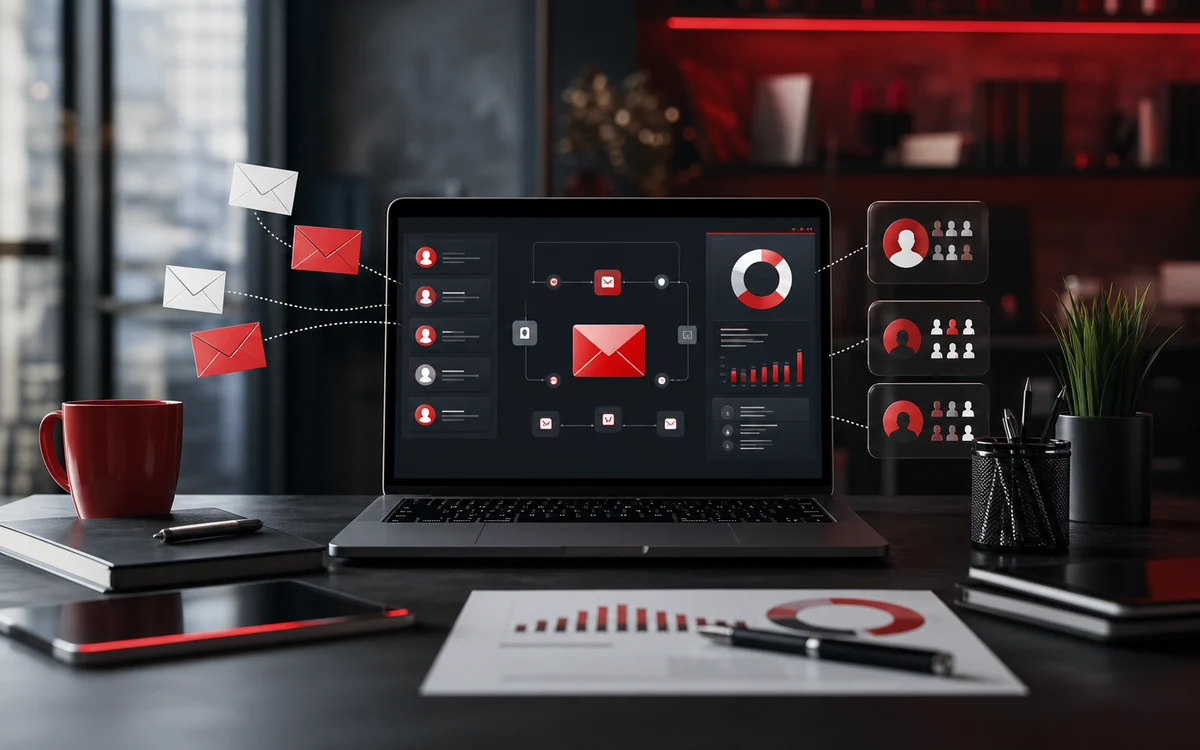
In today’s fast-paced digital landscape, where attention spans are fleeting and competition is fierce, standing out can be a monumental challenge. While new…
READ ARTICLE
In today’s fiercely competitive digital landscape, merely having a website is not enough. To truly succeed, your business needs to be found by potential…
READ ARTICLE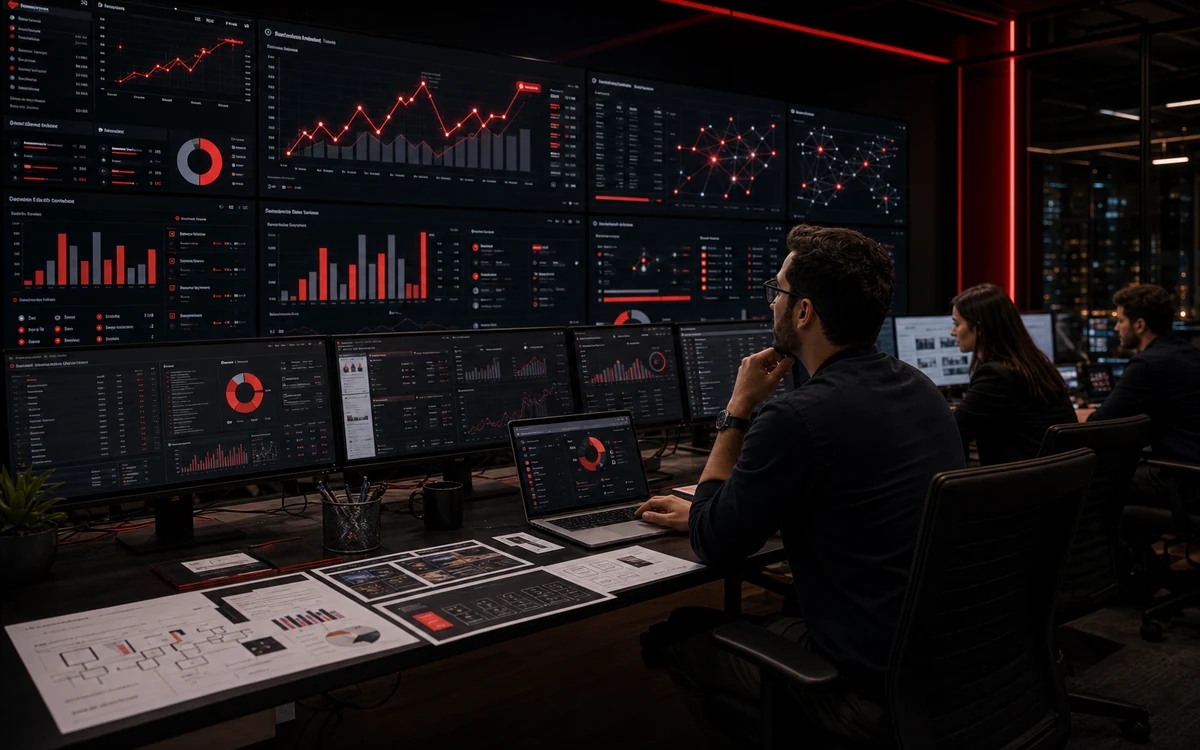
In today's competitive digital landscape, standing out requires more than just a great product or service. It demands a strategic and well-executed…
READ ARTICLE