

Trusted by 50+ Companies. From Governments & Banks to Start-Ups.
Graphic Design that Attracts, Converts, Retains and Grows your User Base




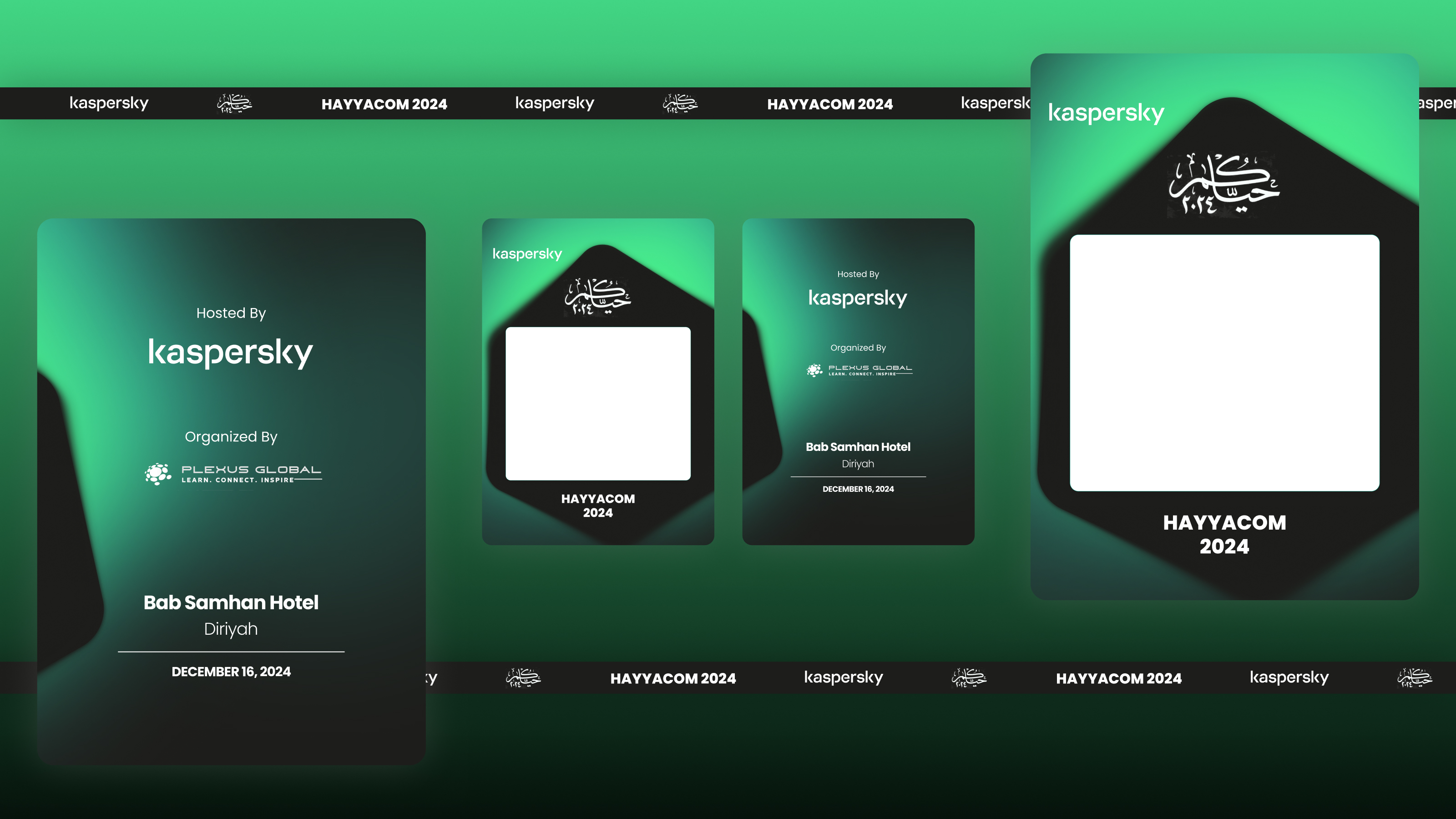
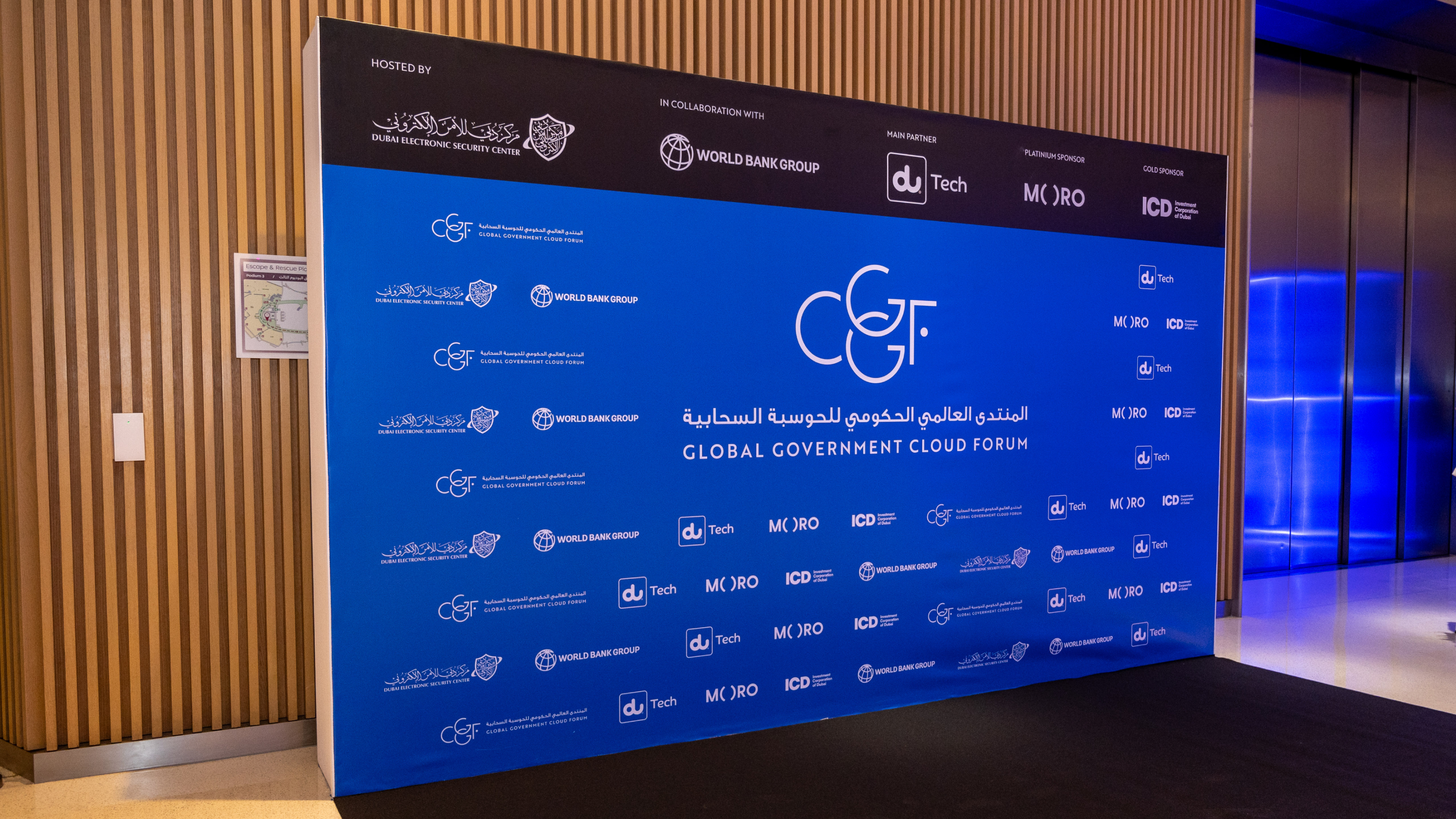










Industries We Specialise In
Why Choose MAKREATE for Graphic Design

Design-Driven Decisions
We use visual analytics and creative direction to ensure every design choice aligns with your brand goals and resonates with your target audience.

Higher Conversion Rates
Compelling graphics and CTAs guide users toward action—boosting ad performance, landing page results, and social media conversions.

Align With Brand Objectives
We design with purpose—ensuring that every graphic supports your business goals, marketing strategy, and brand positioning.

High Return on Design Investment
Great design pays off. Our clients see measurable improvements in engagement, brand perception, and sales from elevated visuals.

Future-Proof Your Brand
We stay on top of design trends and evolving visual standards so your brand remains modern, relevant, and competitive.

Improve Brand Retention
Consistent, recognizable design across all platforms increases brand recall and loyalty—keeping your audience engaged long-term.

Gain a Competitive Advantage
Stand out in crowded markets with visuals that instantly grab attention and leave a professional impression.

Attract New Customers
Eye-catching design draws people in—making your brand approachable, credible, and exciting from the first interaction.

Build Brand Loyalty & Trust
Visually consistent branding builds familiarity and trust, encouraging repeat customers and long-term brand advocates.
Fuel Organic Growth
Strong design gets shared. Our graphics are made to be engaging, increasing the chances of viral reach and word-of-mouth growth.
Inclusions

1 Graphic Design Audit
We perform a comprehensive review of your current visual assets—logos, brand elements, marketing materials—to identify inconsistencies, outdated styles, and opportunities for enhancement.

2 Brand & Visual Market Research
We analyze your industry, competitors, and audience preferences to develop design strategies that ensure your visuals are relevant, appealing, and brand-aligned.

3 Visual Identity Research
We explore your brand story, values, and customer touchpoints to uncover insights that shape a consistent and powerful graphic identity across all platforms.

4 Creative Innovation
We generate fresh, original design ideas that push your brand forward, helping you stand out with bold, innovative visual concepts that spark engagement.

5 Graphic Design Execution
We design logos, marketing materials, social graphics, and more—focusing on clarity, aesthetics, and brand consistency to ensure high-quality output across all media.

6 Visual Testing & Feedback
We test designs with real users and gather feedback to refine visuals, ensuring they resonate with your audience and align with your business objectives.




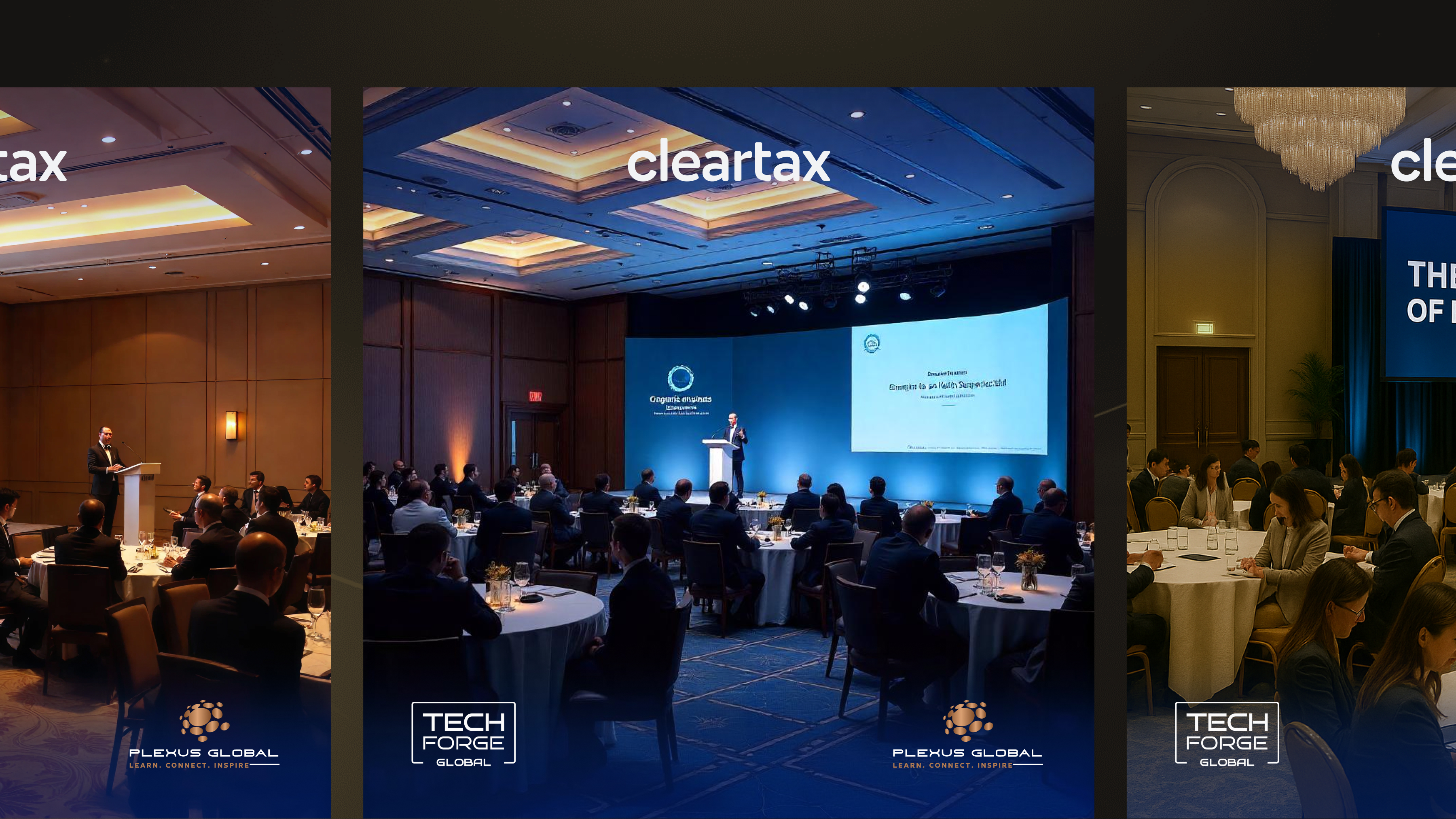
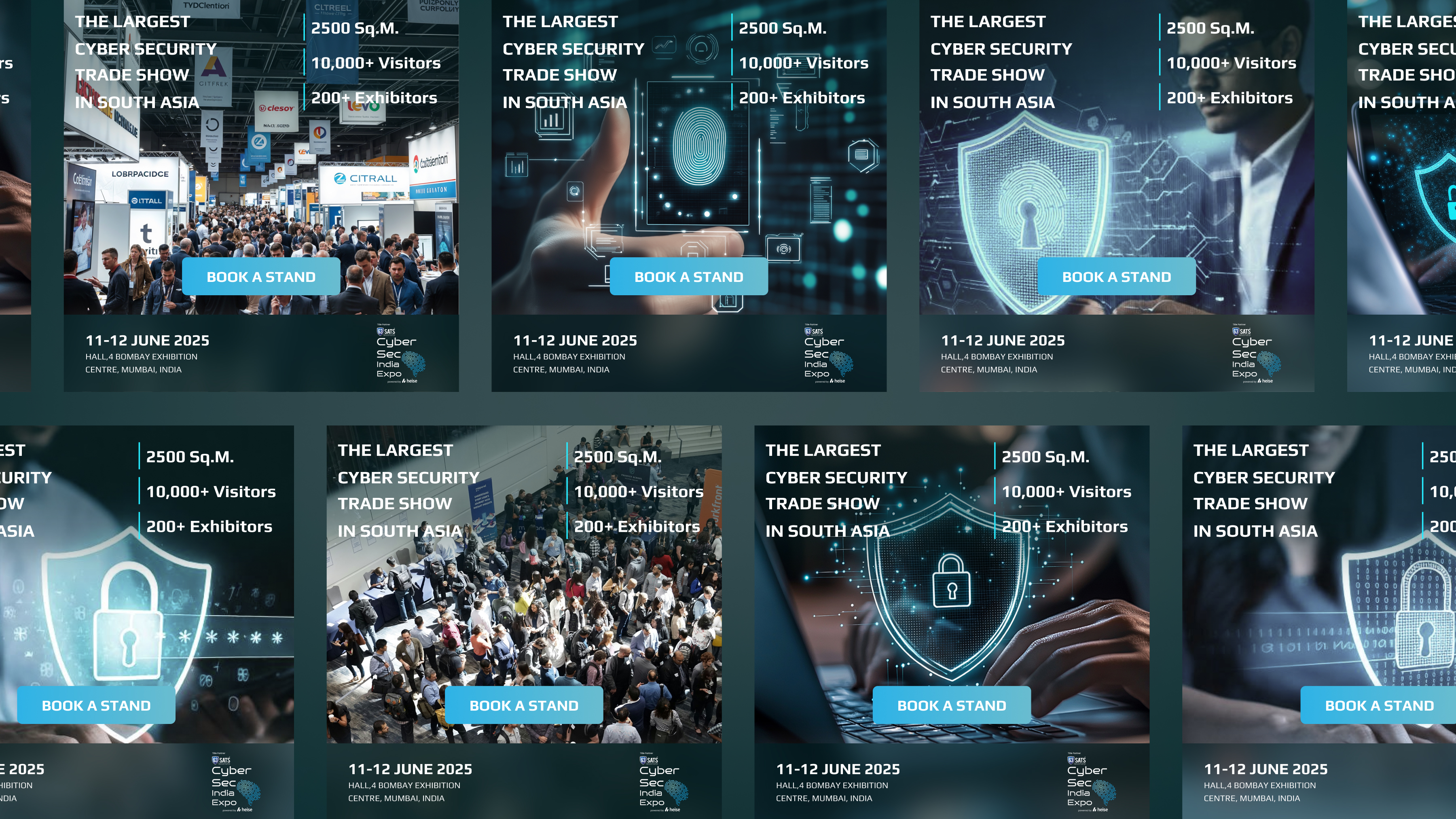
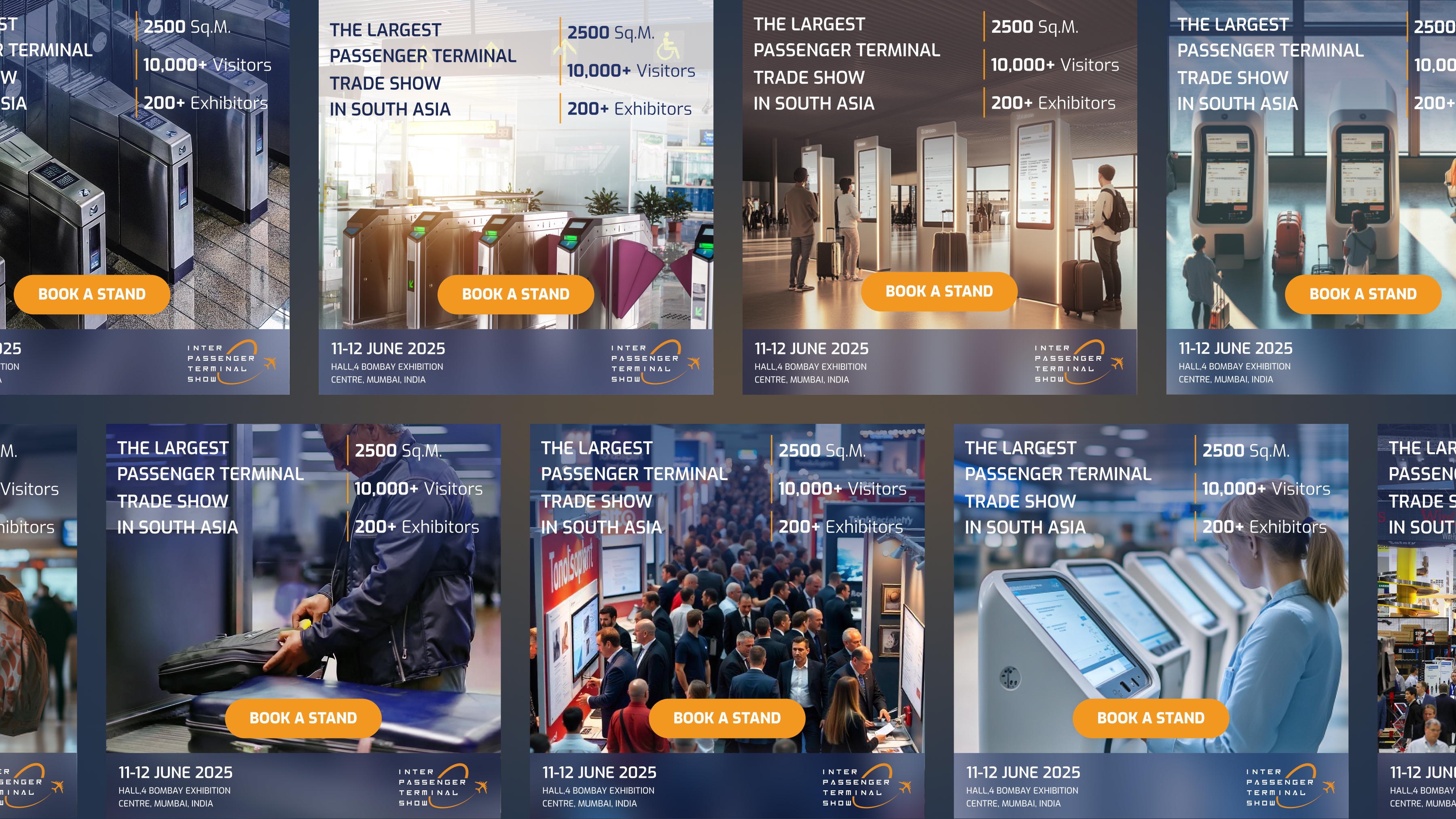
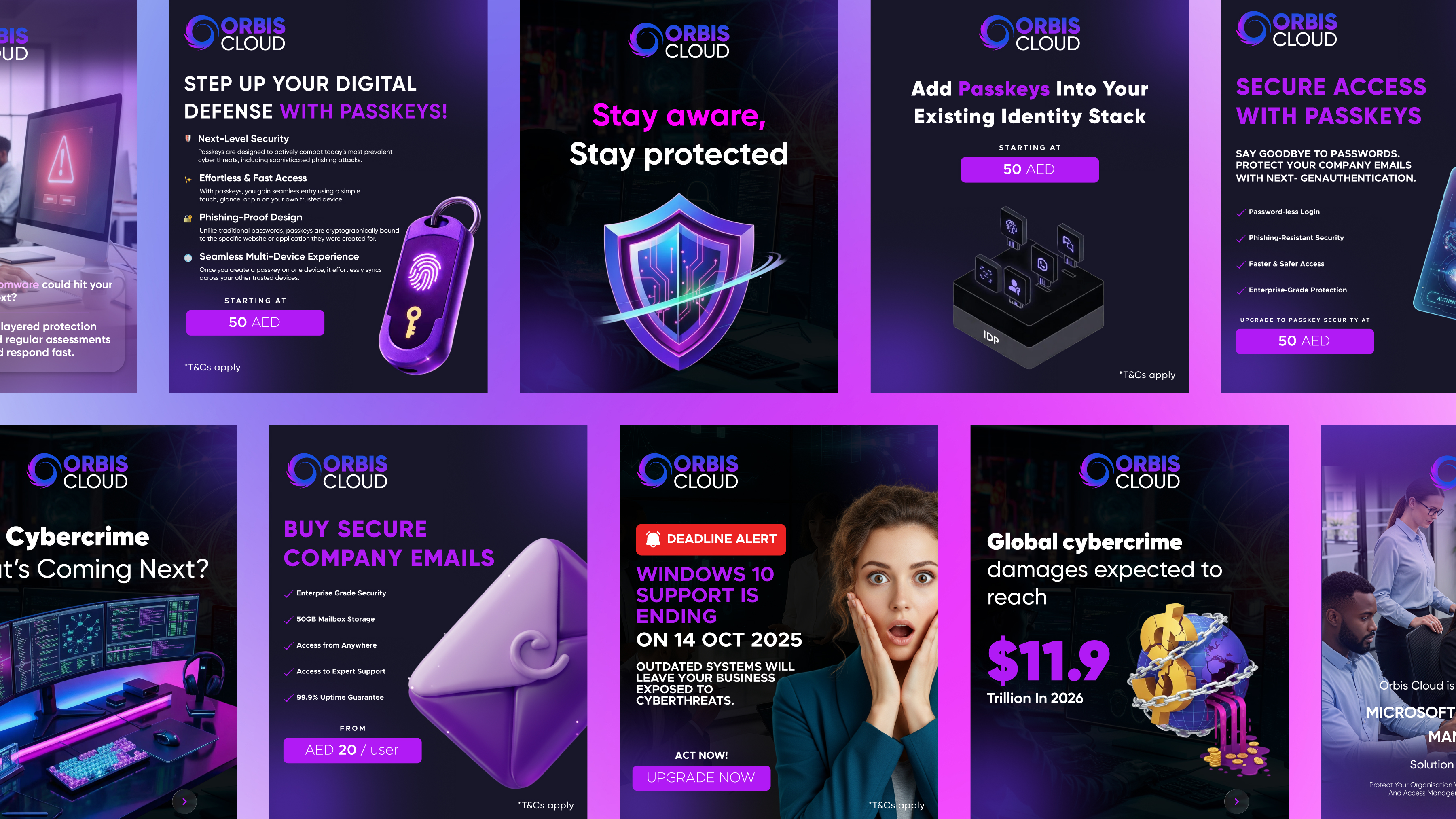
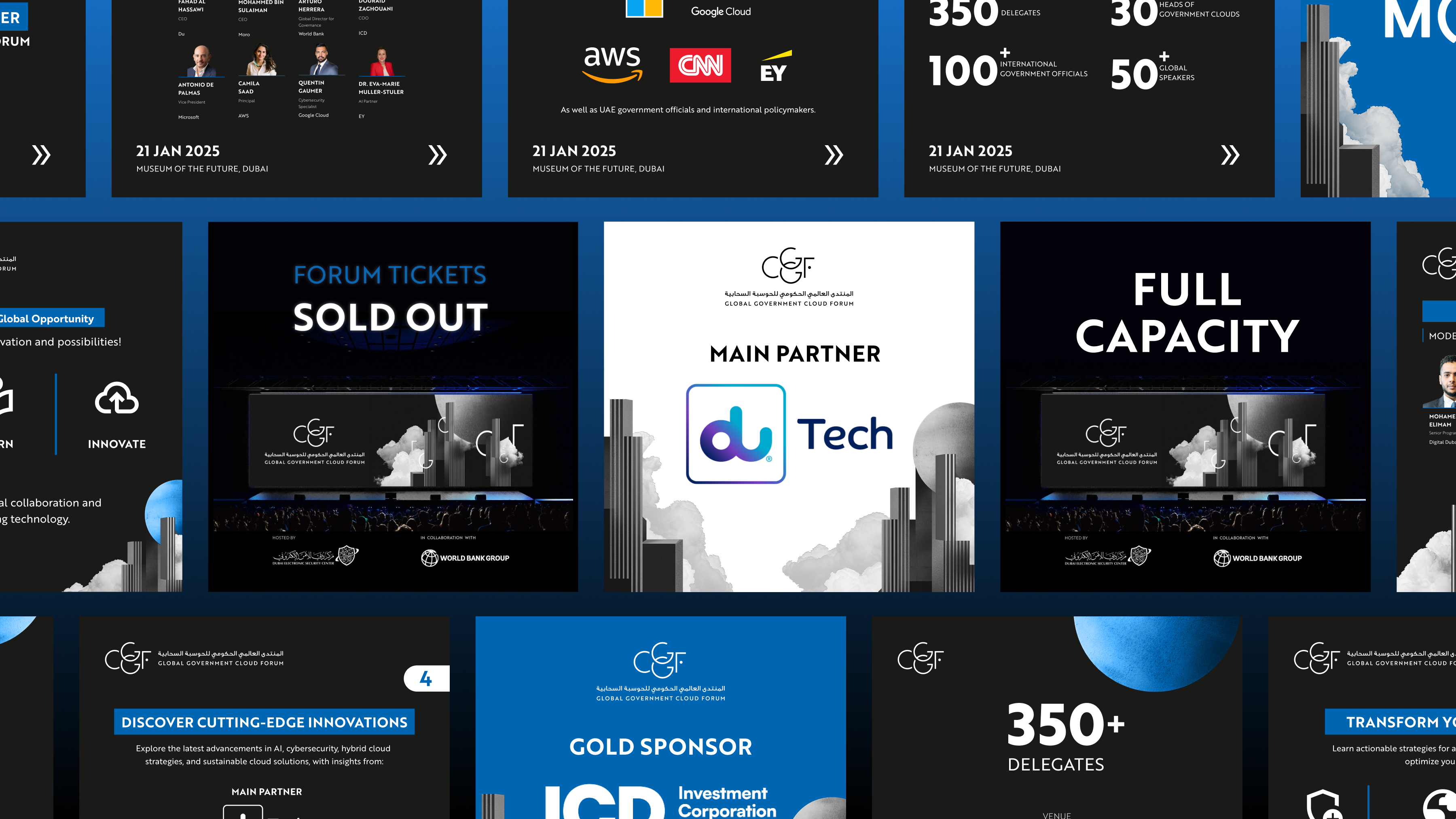
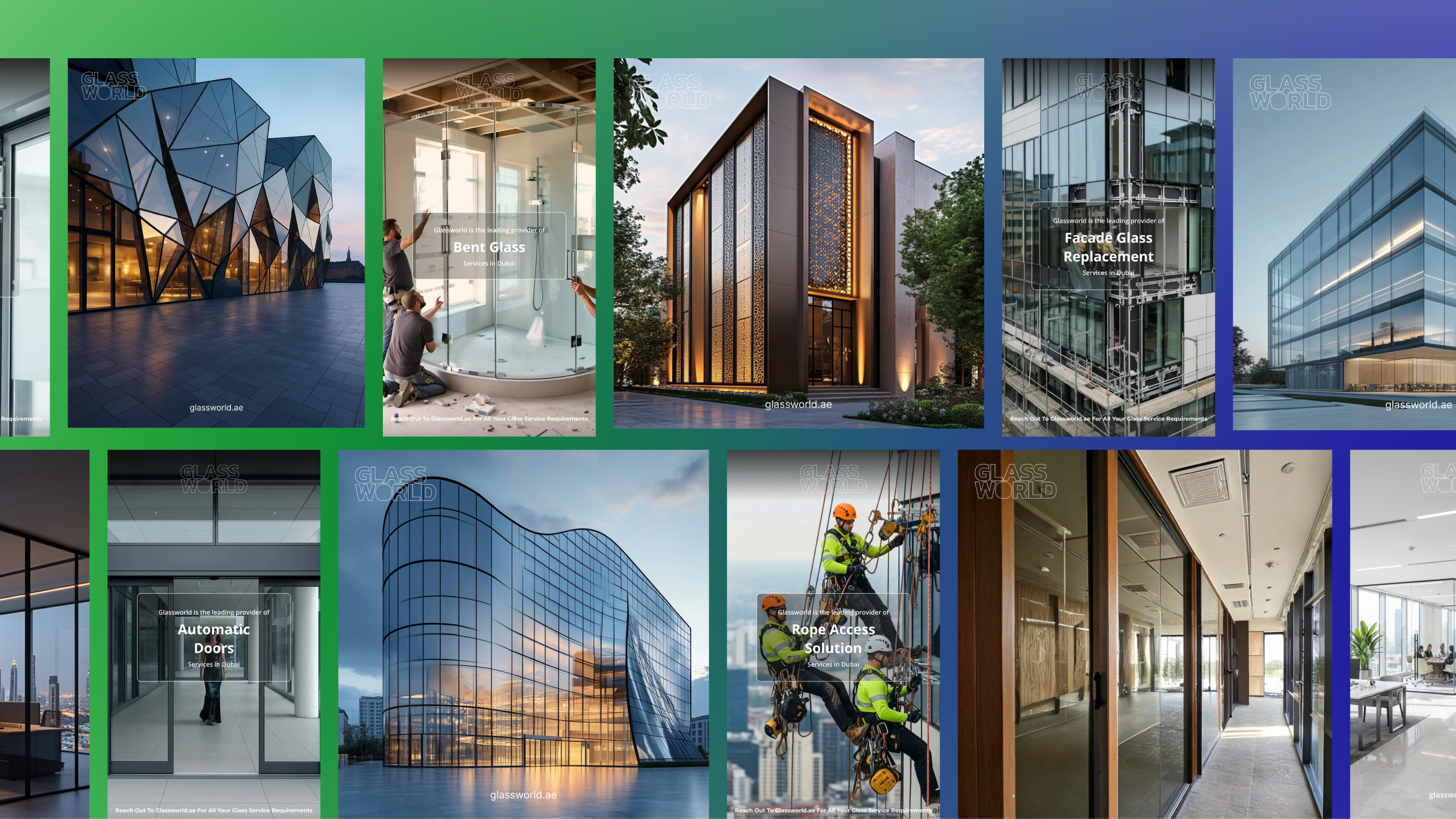
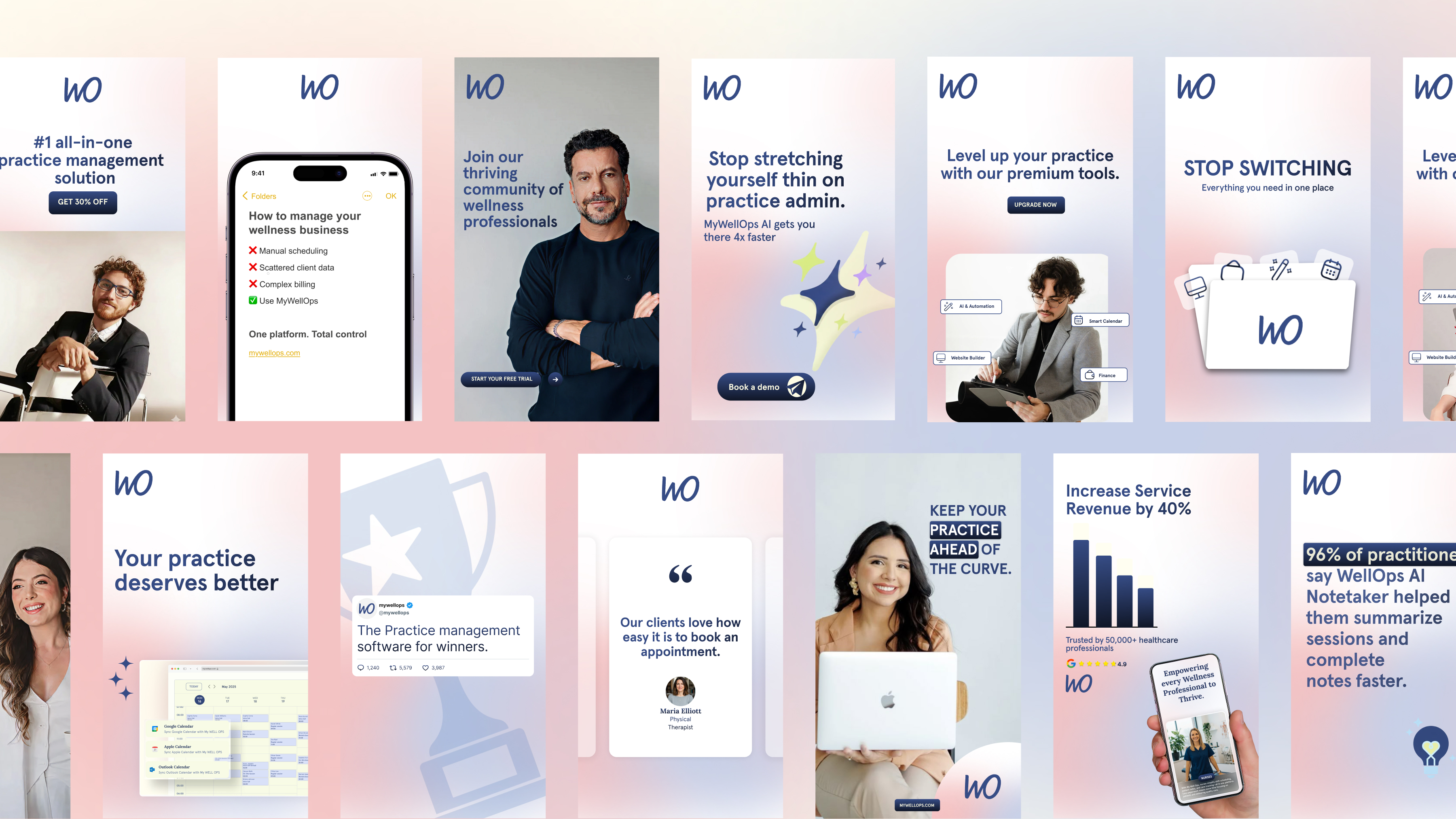
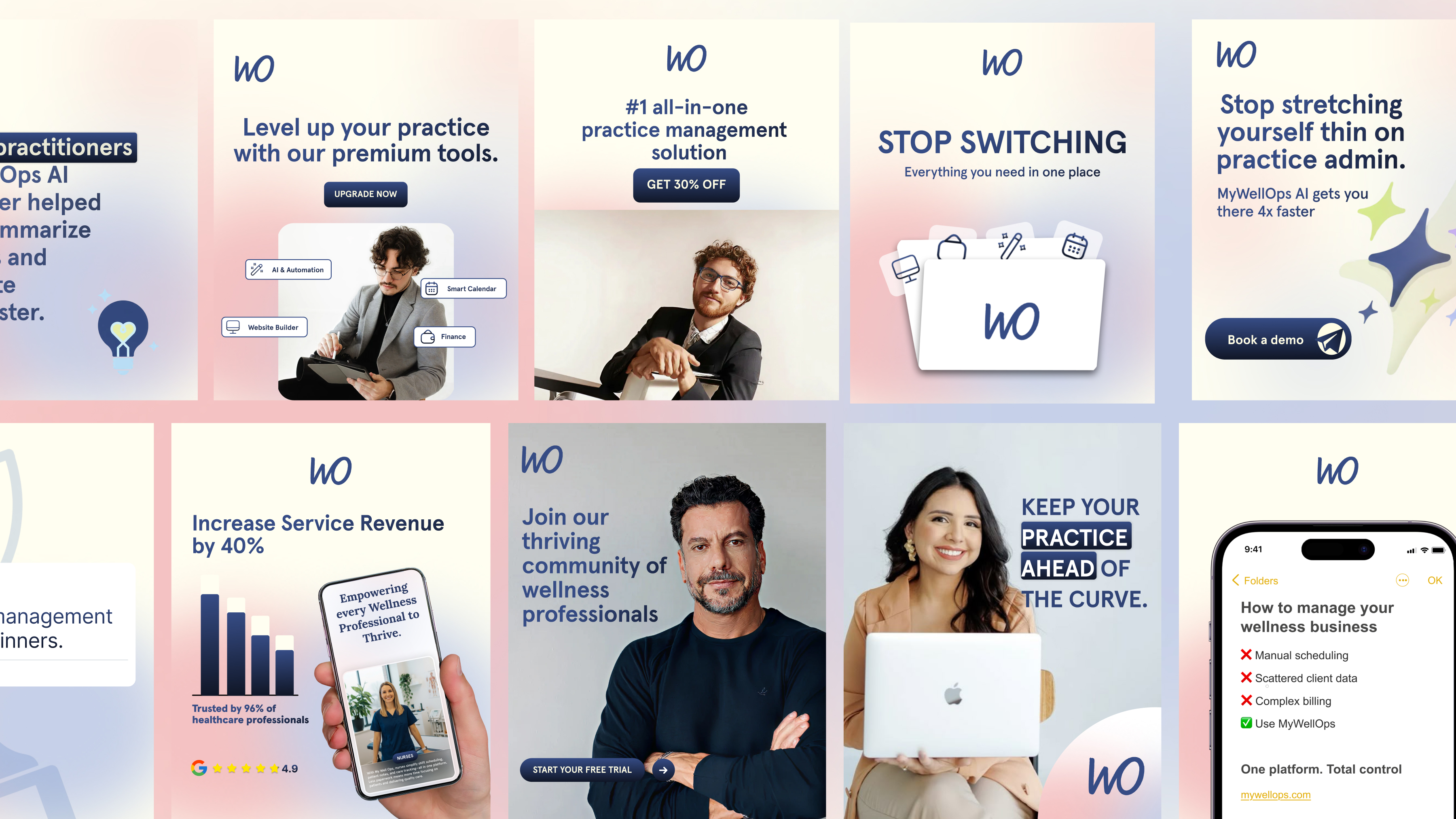
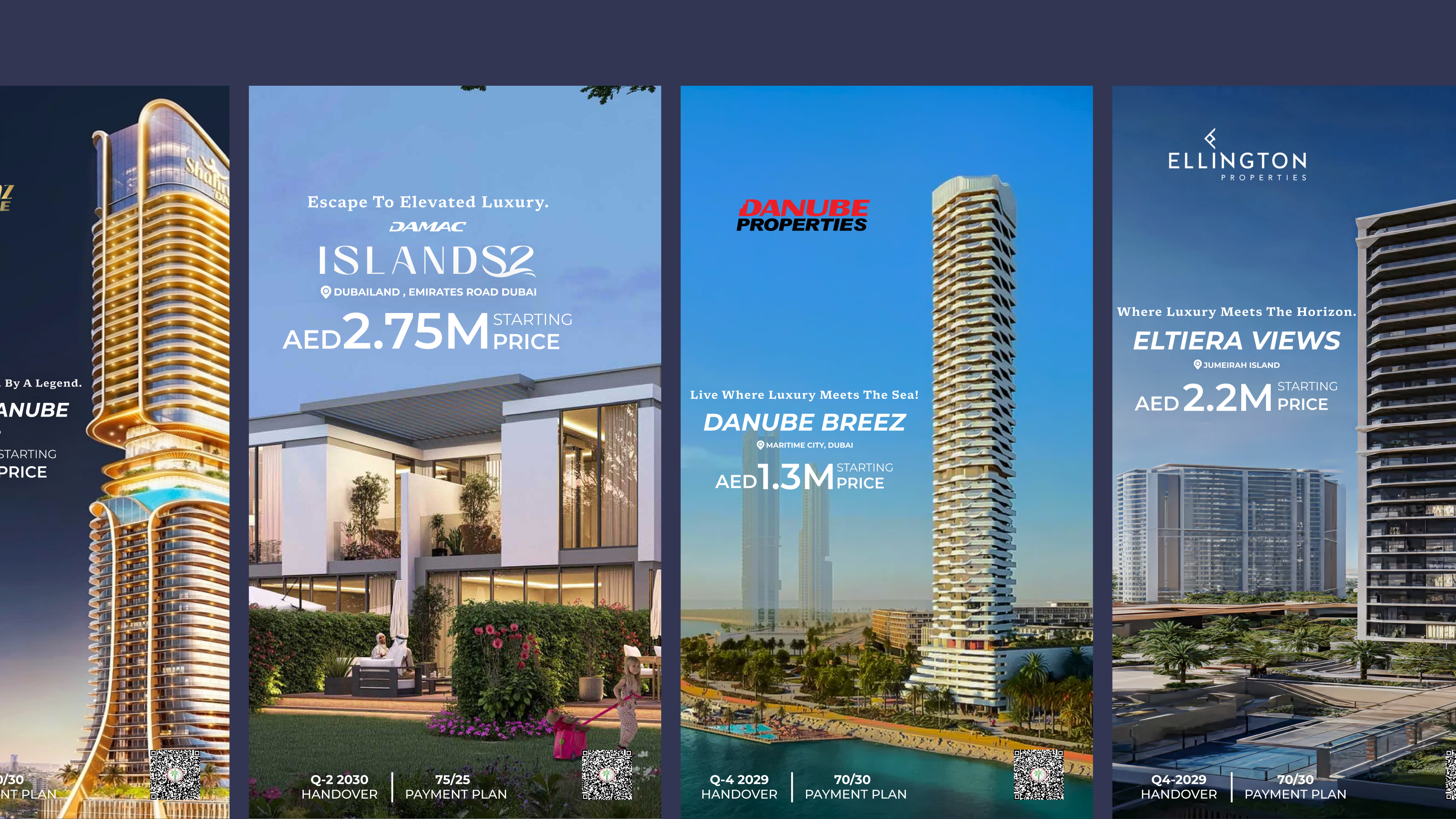
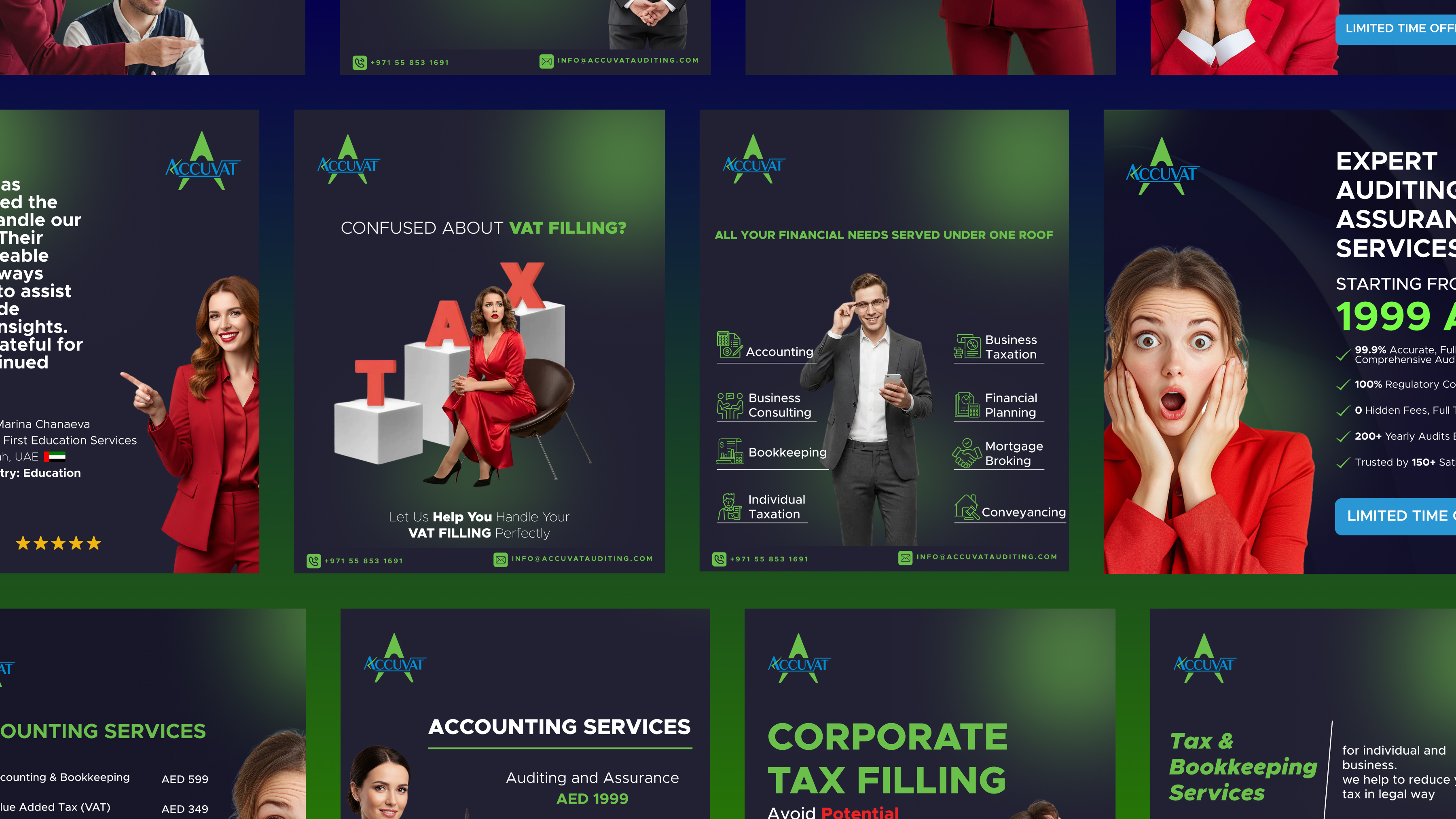
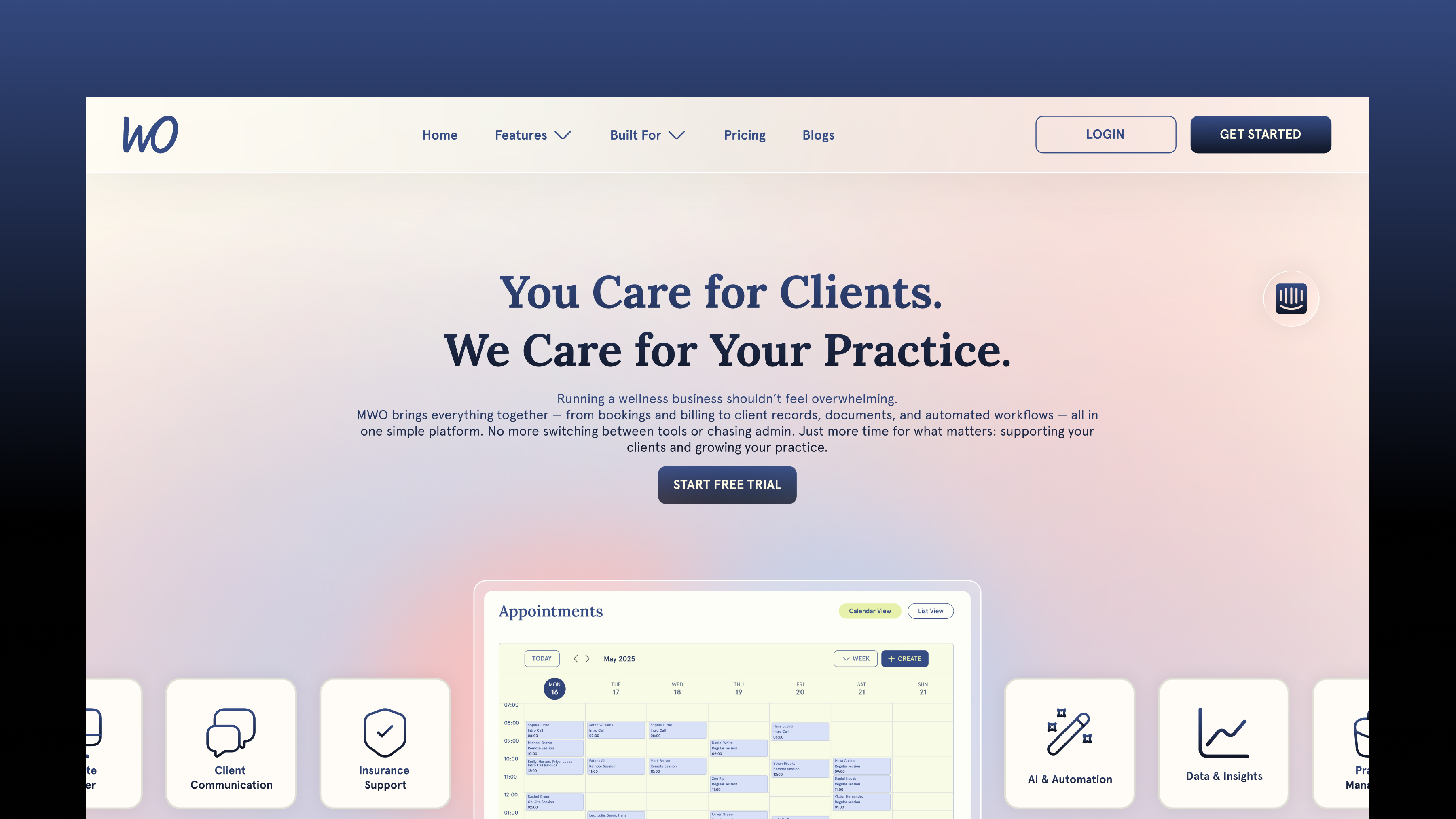
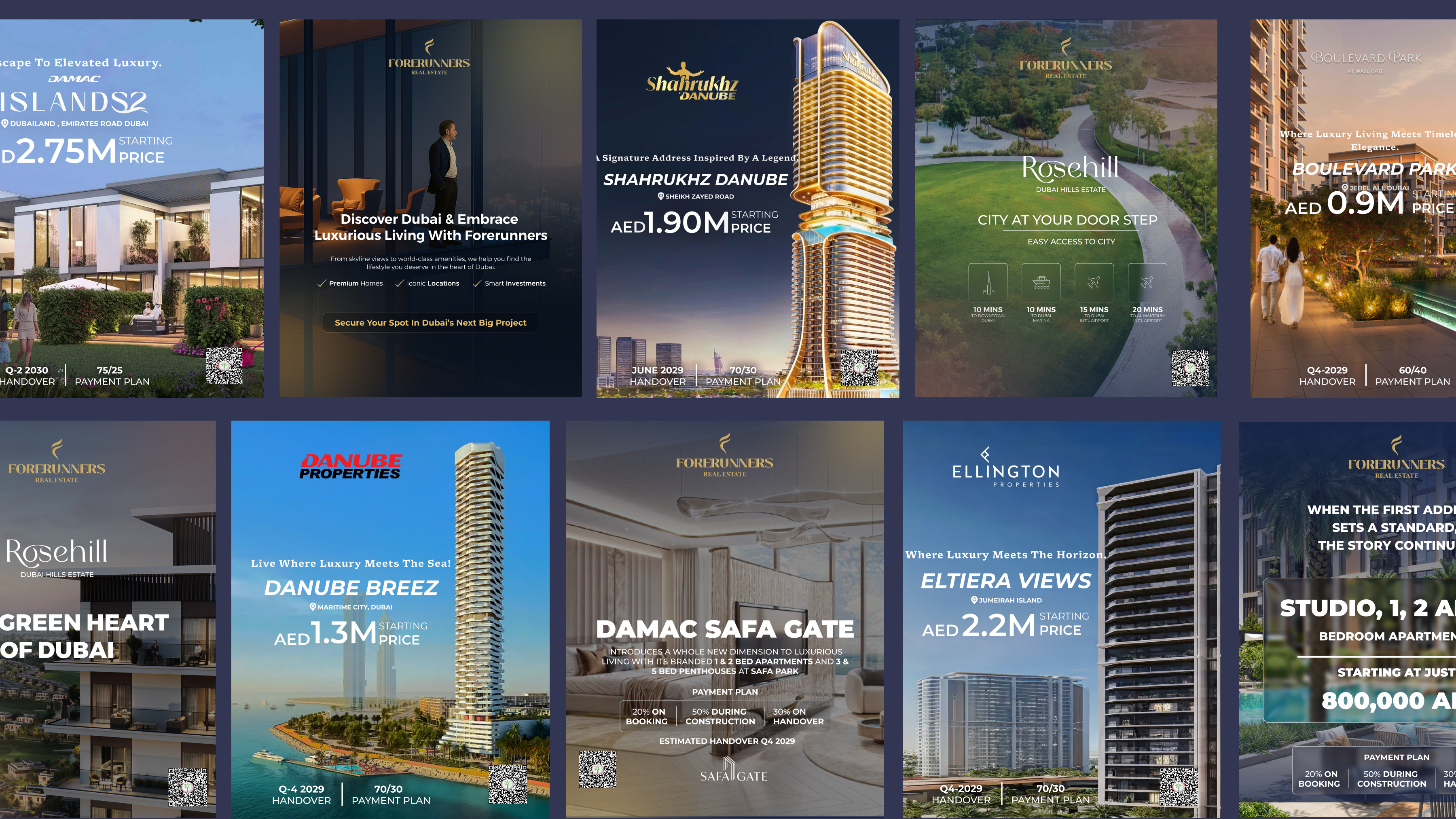
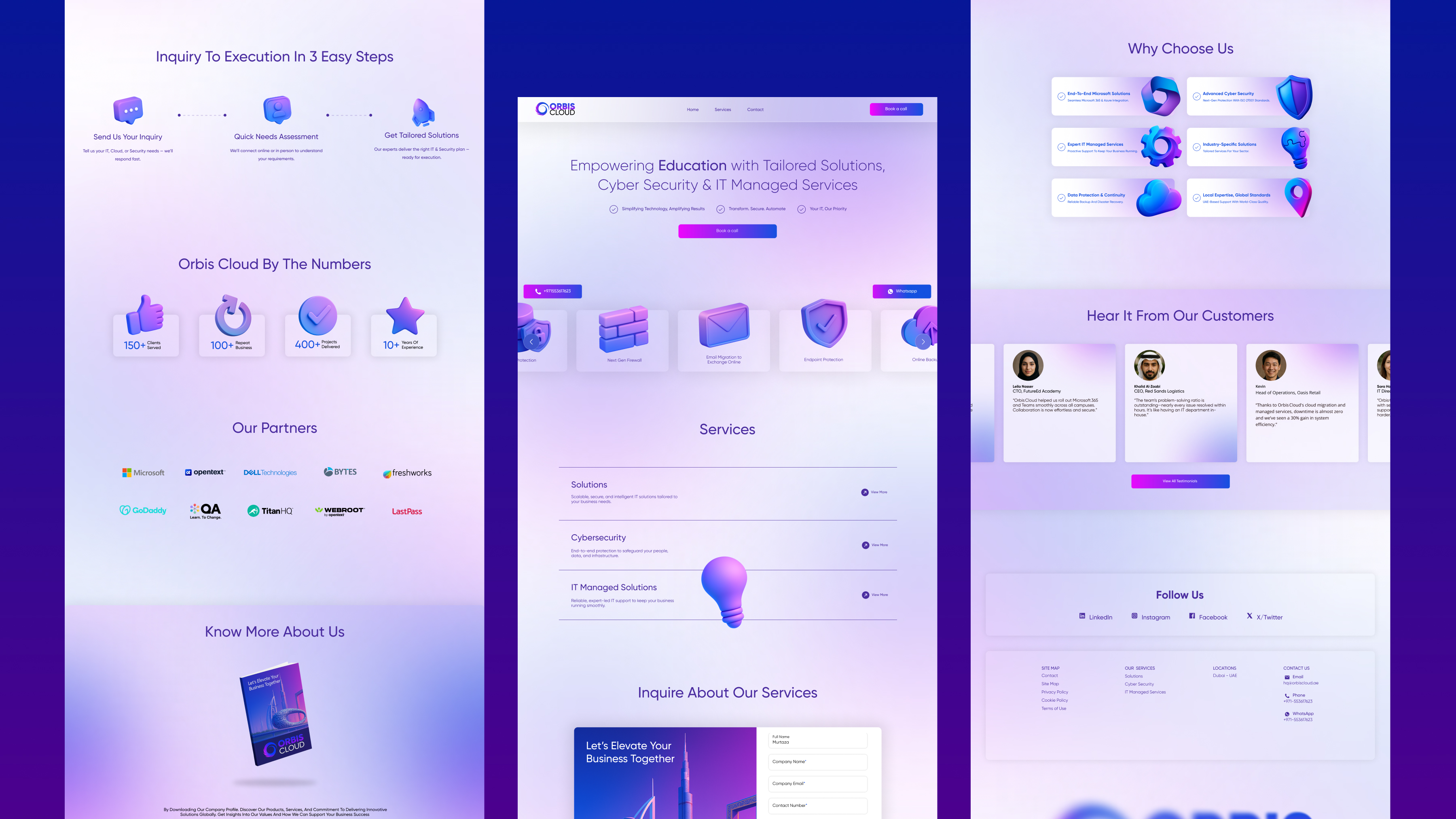
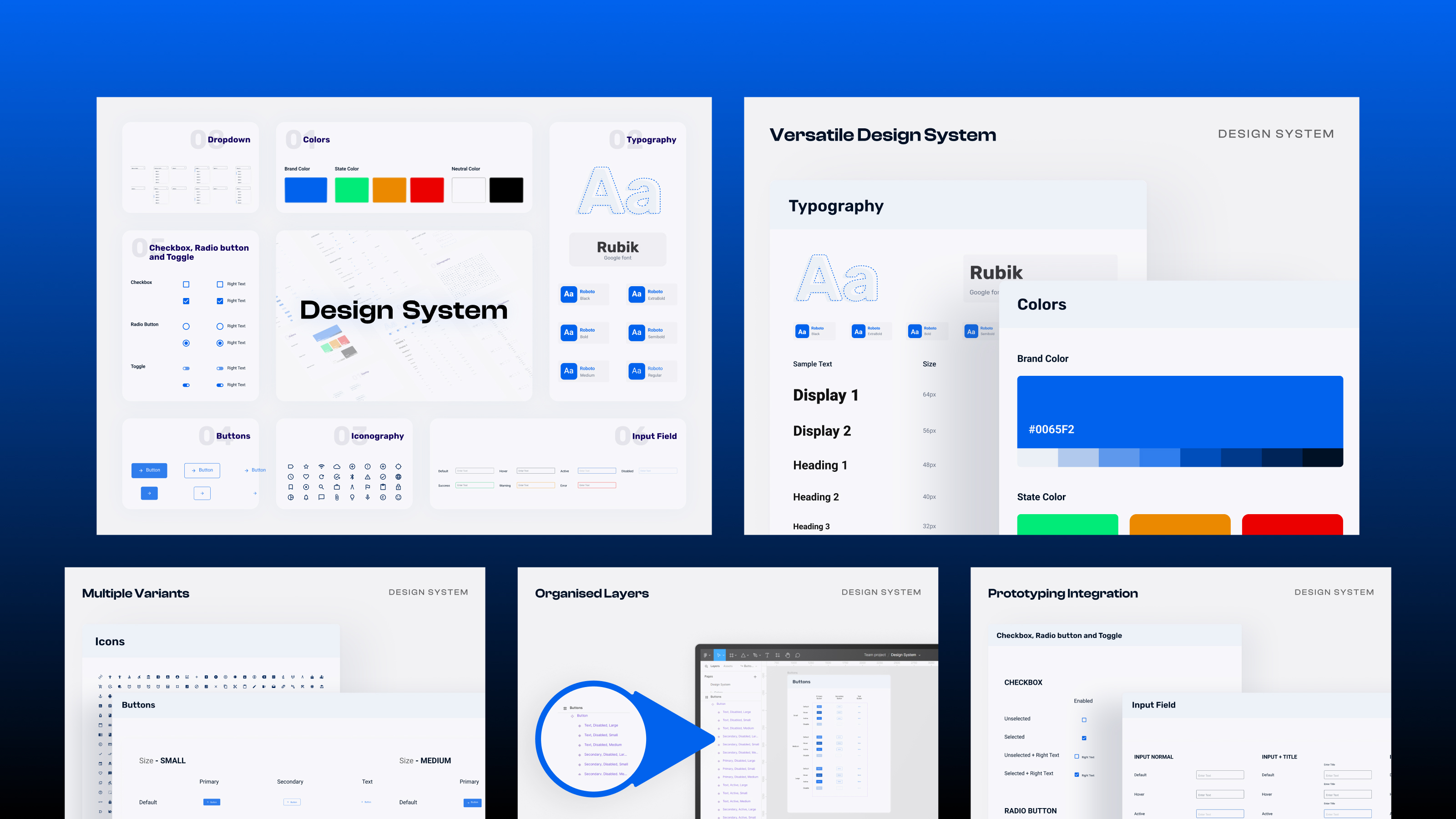
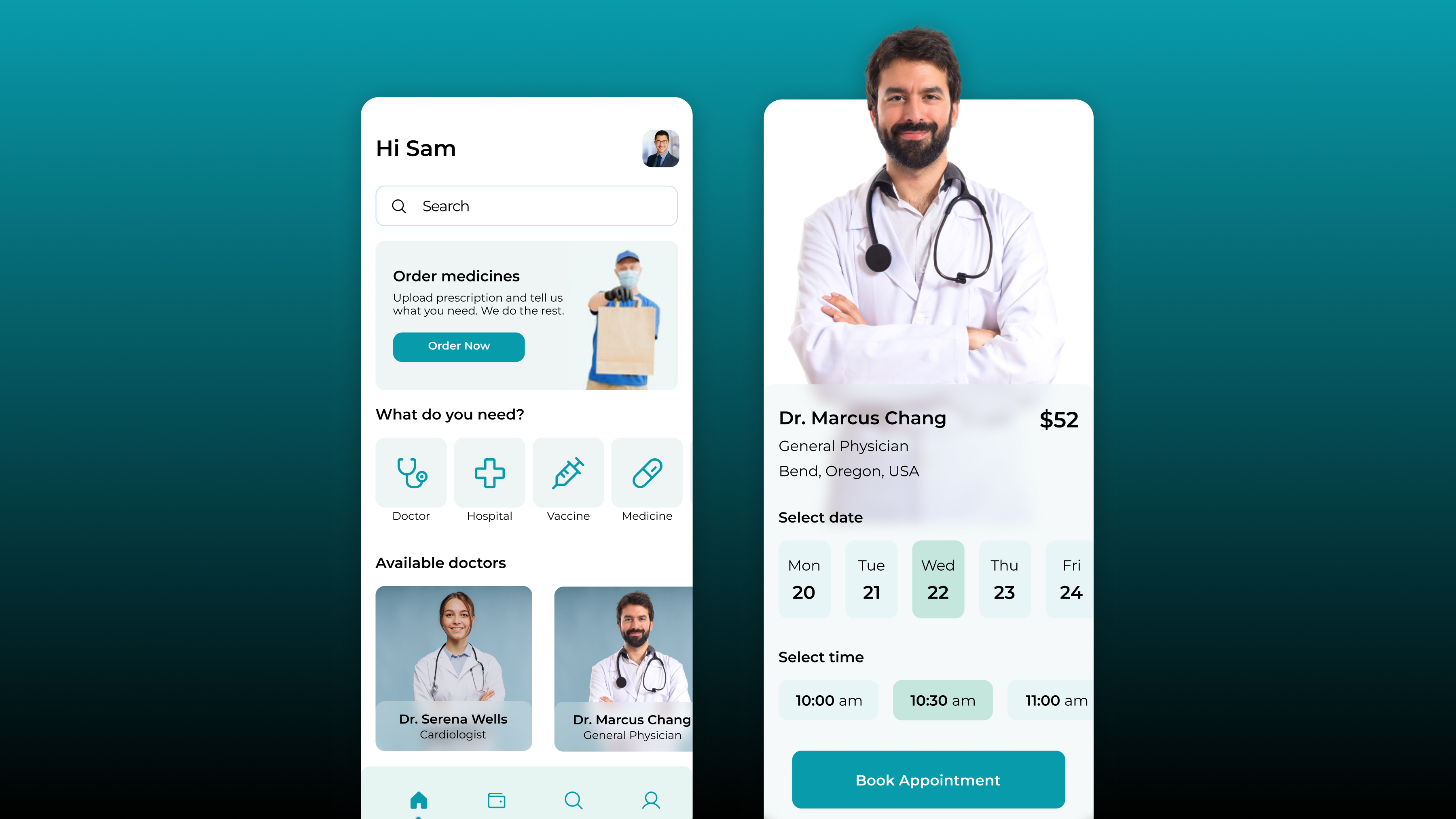
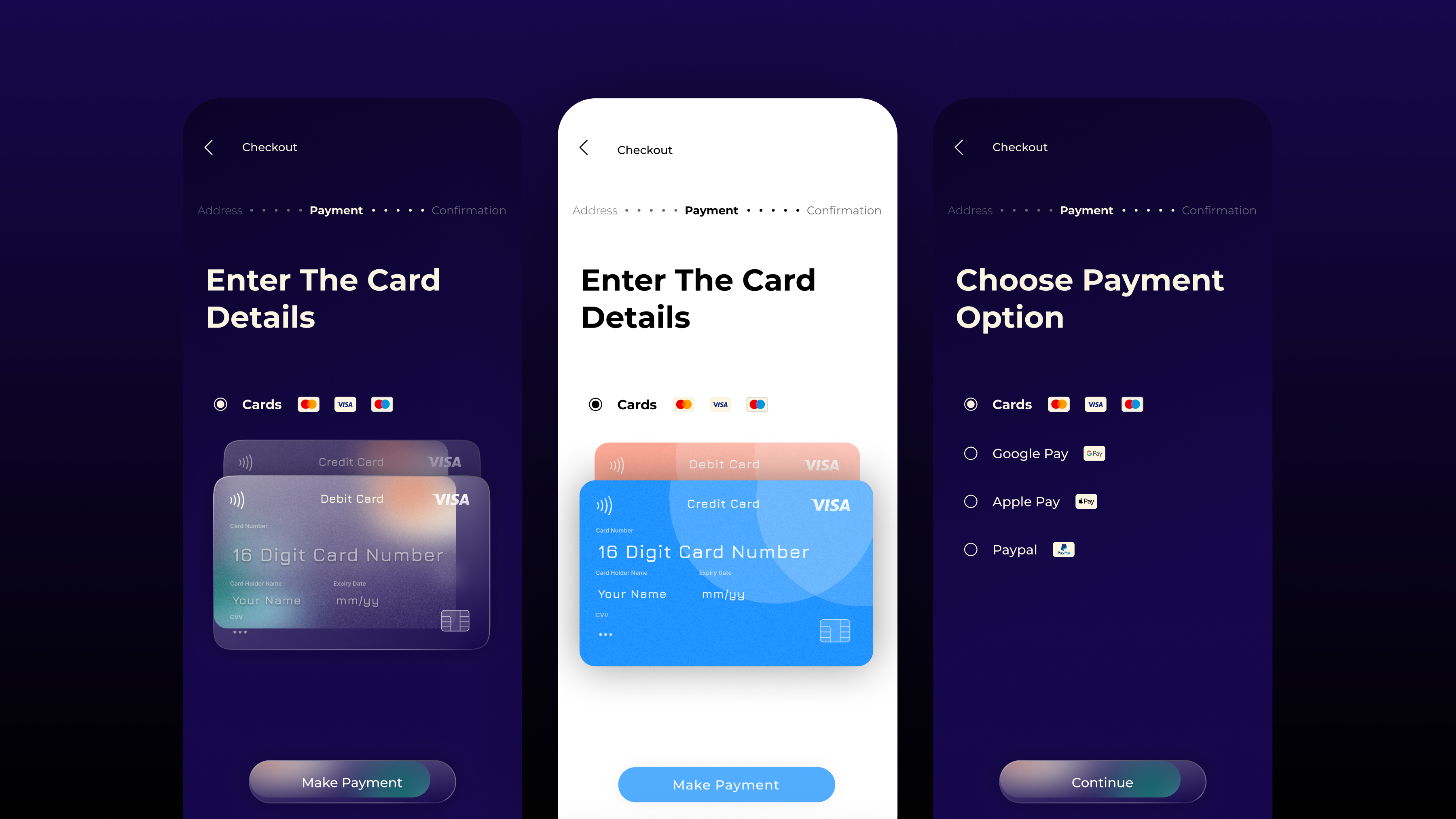
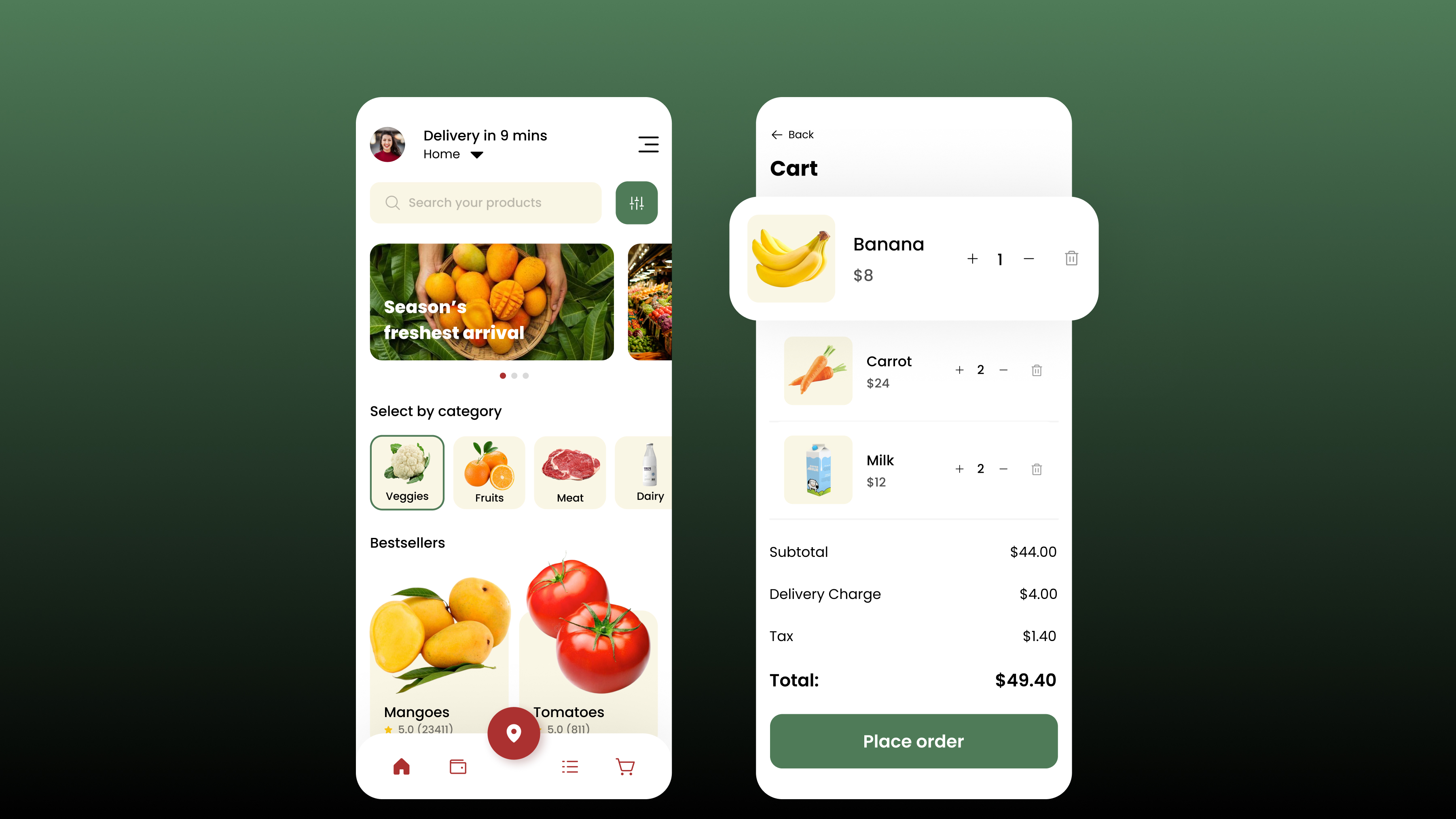
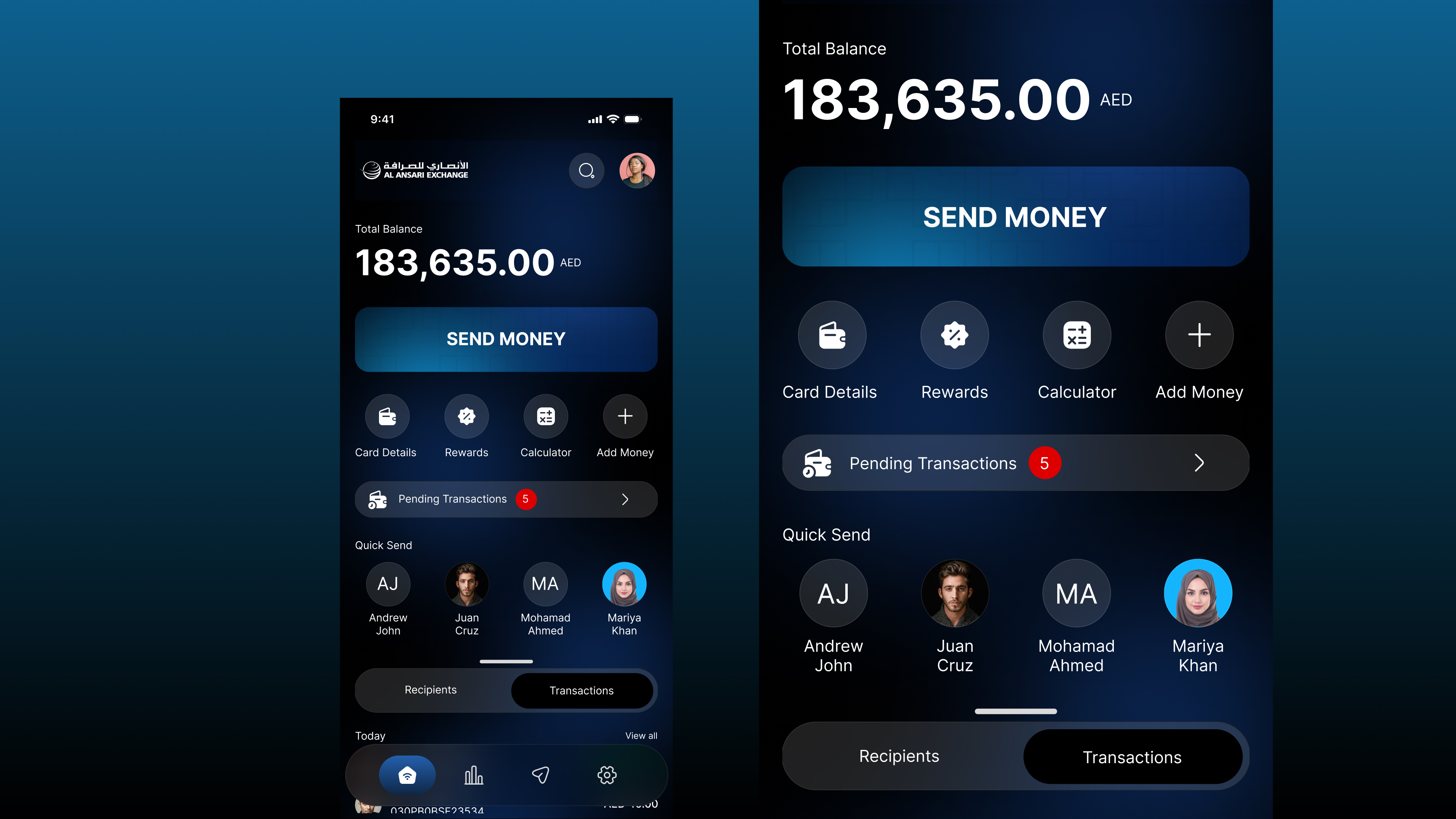
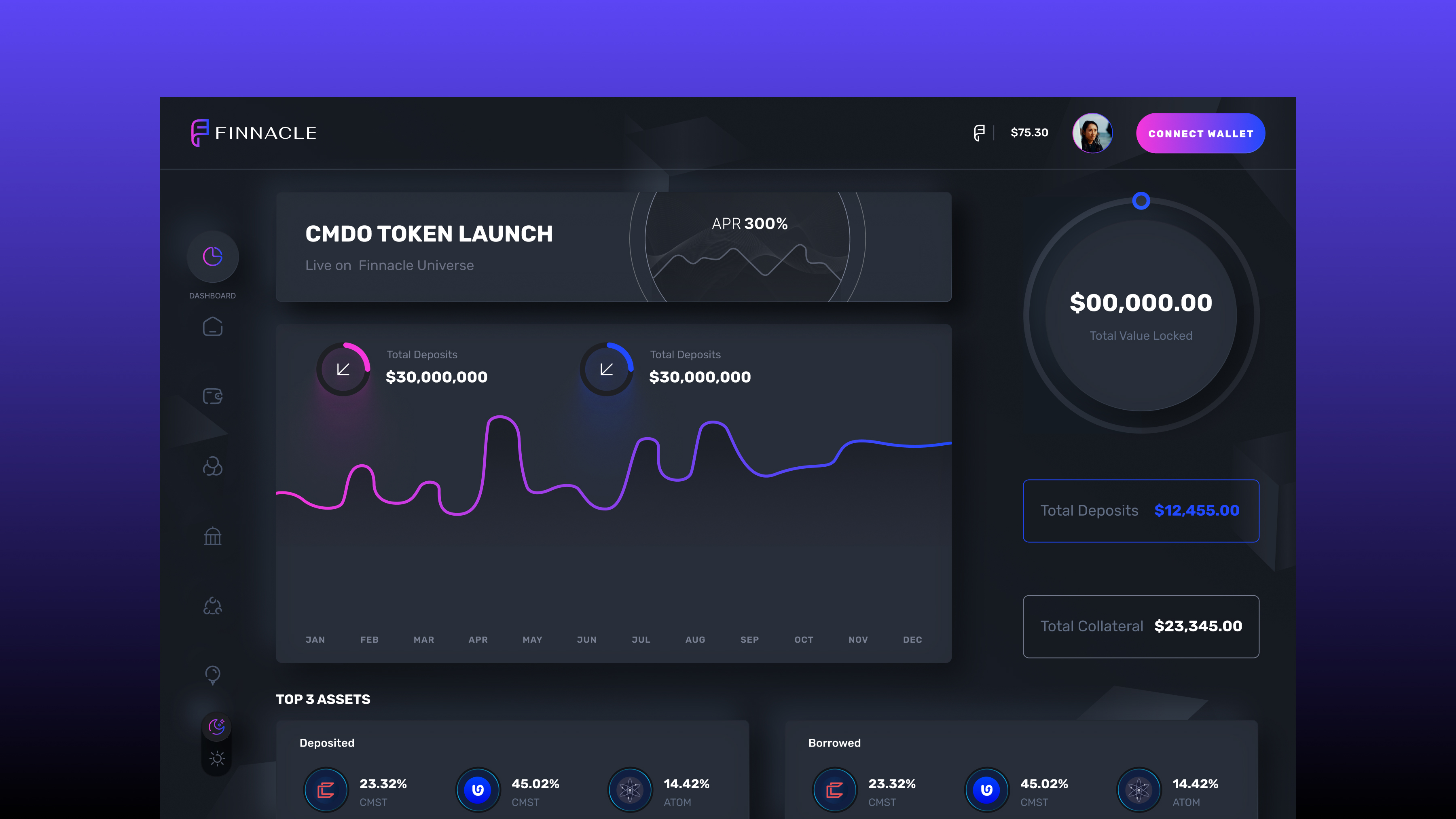
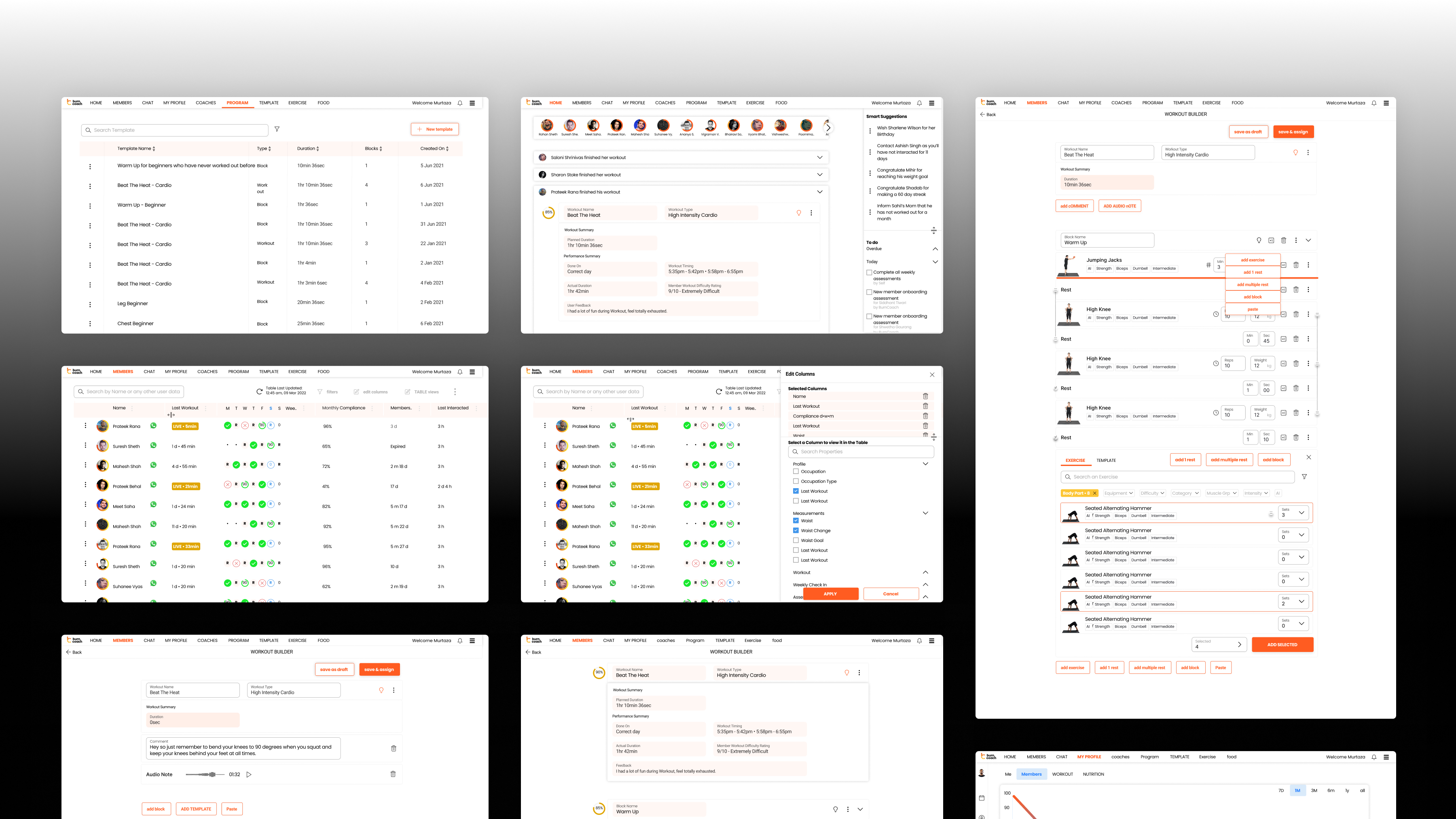
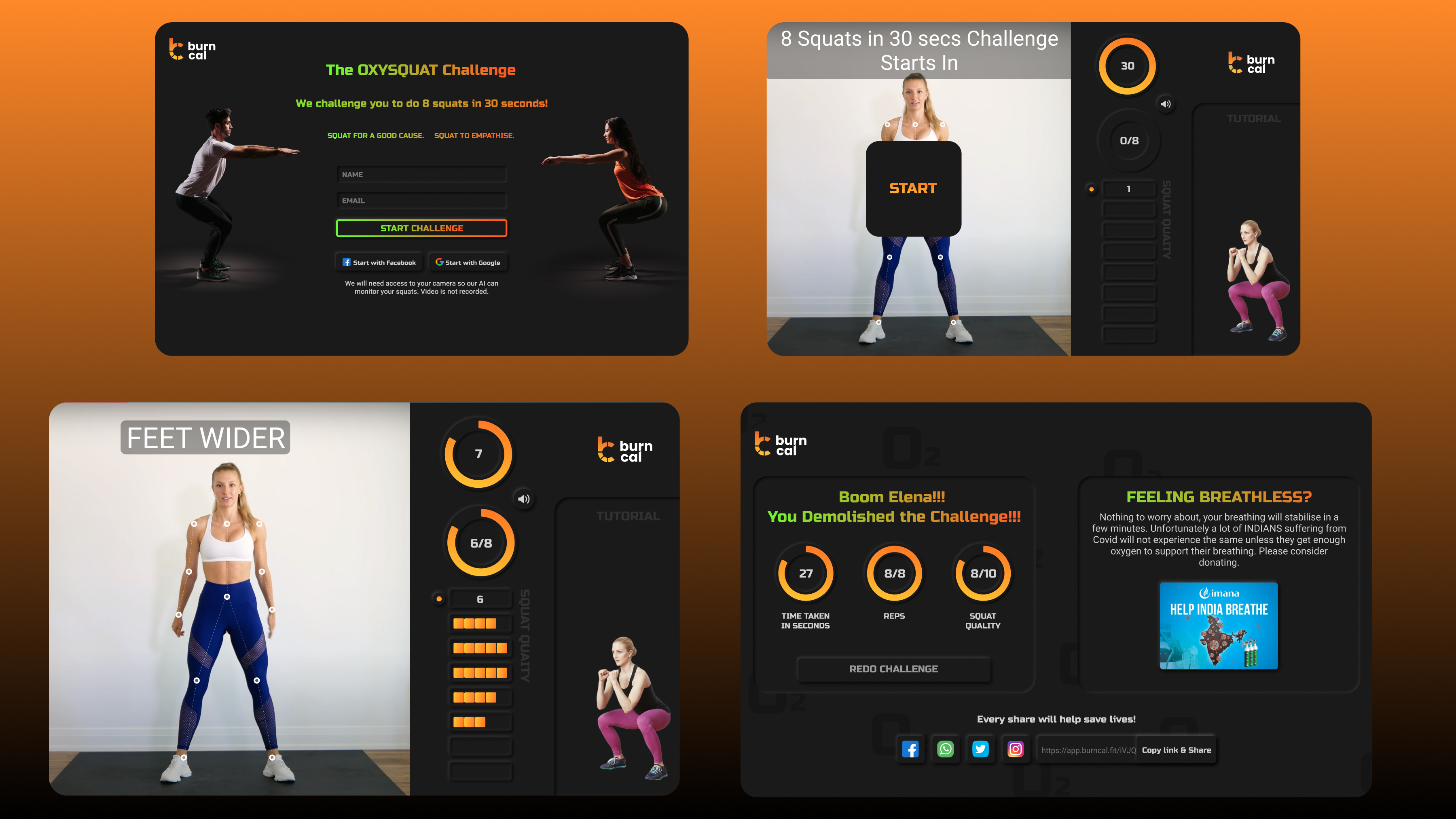
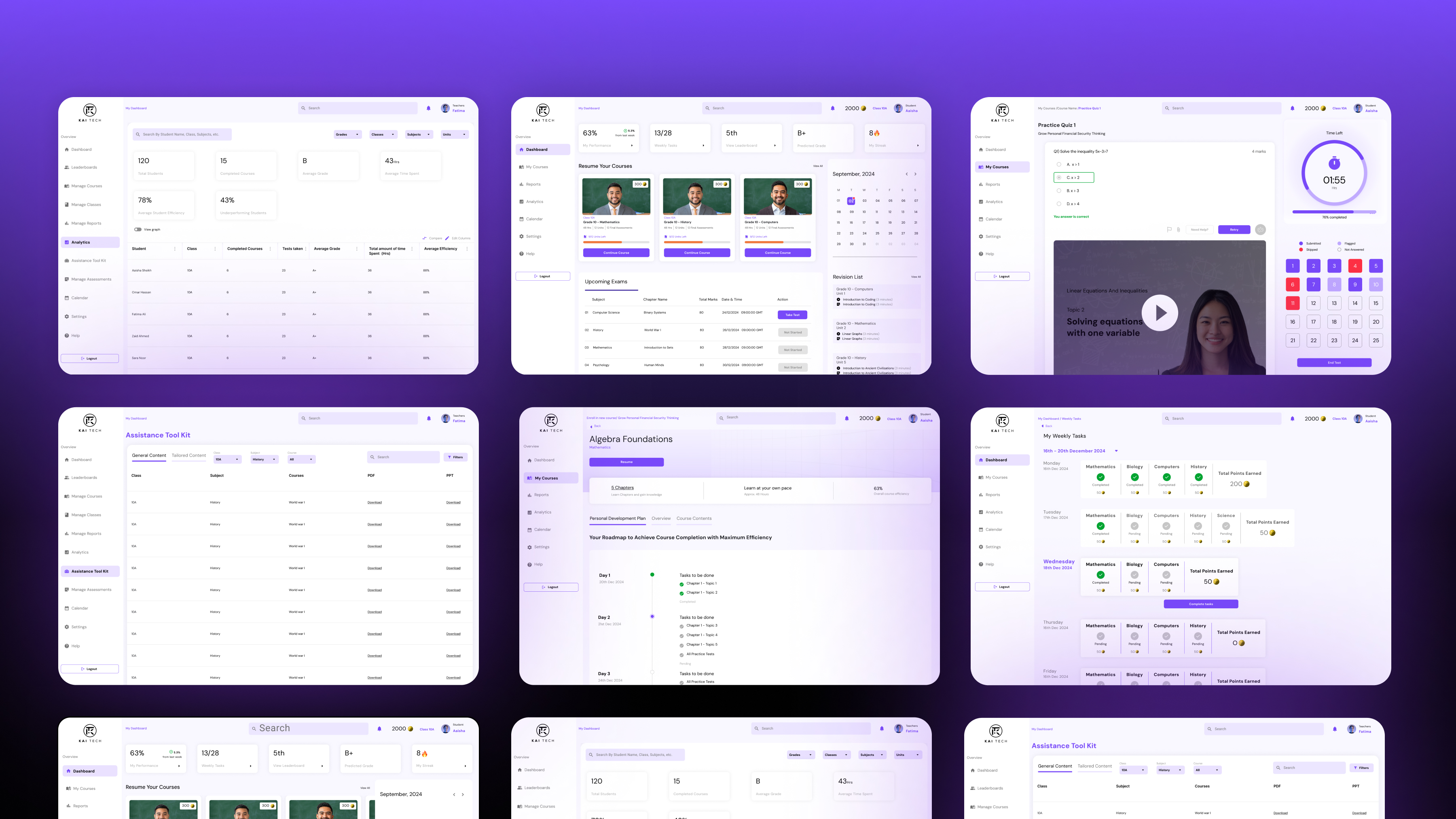
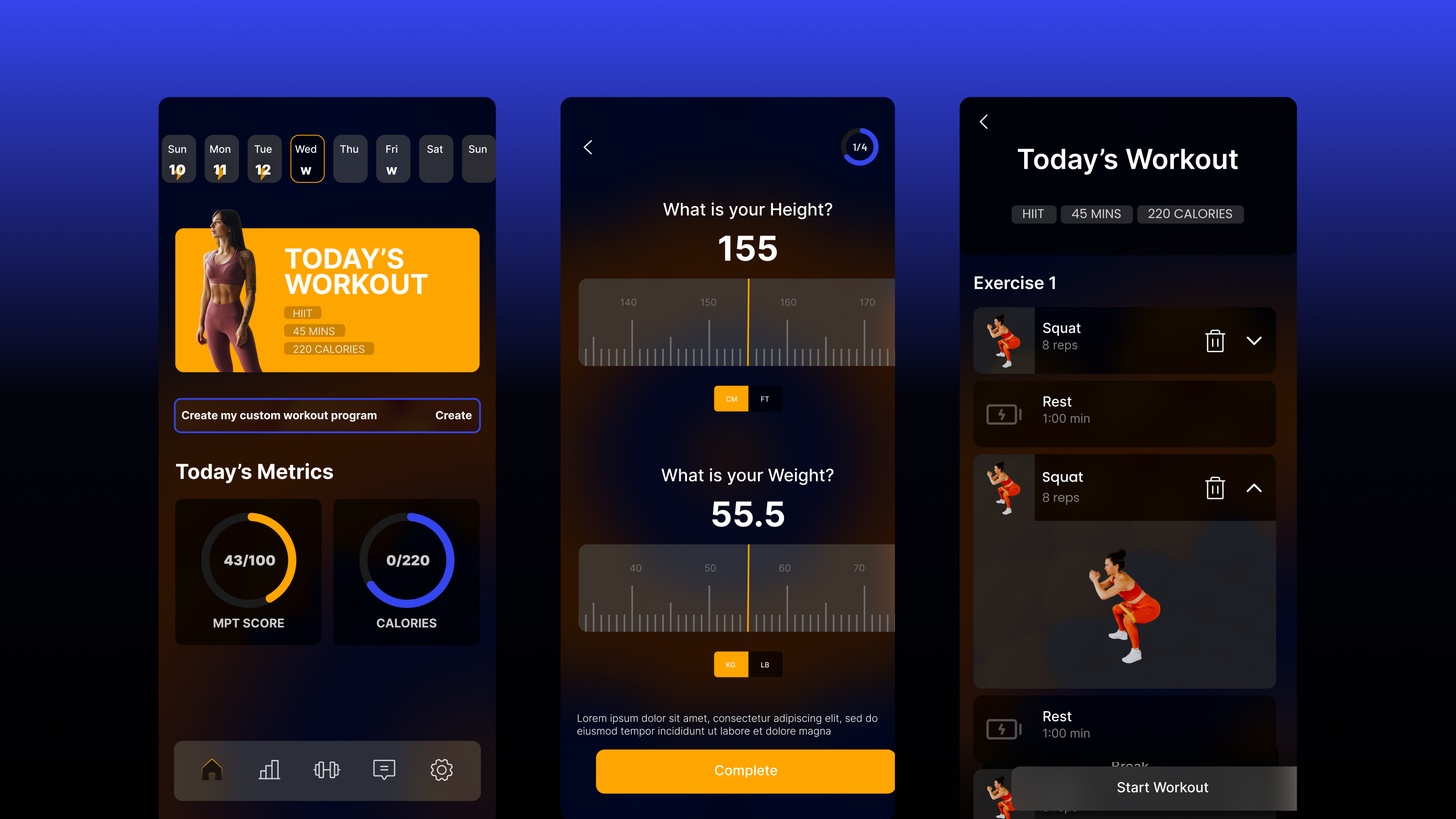
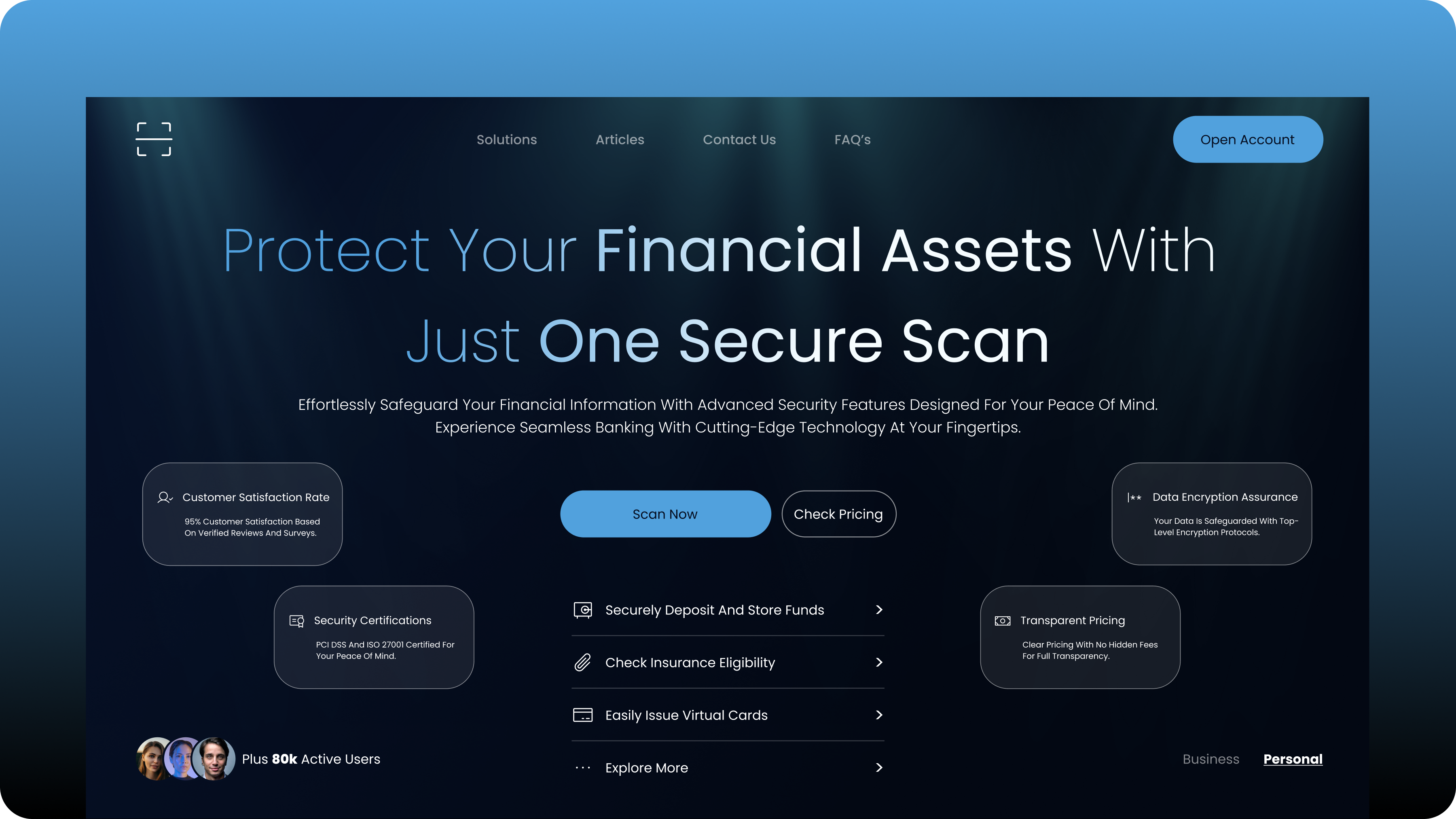
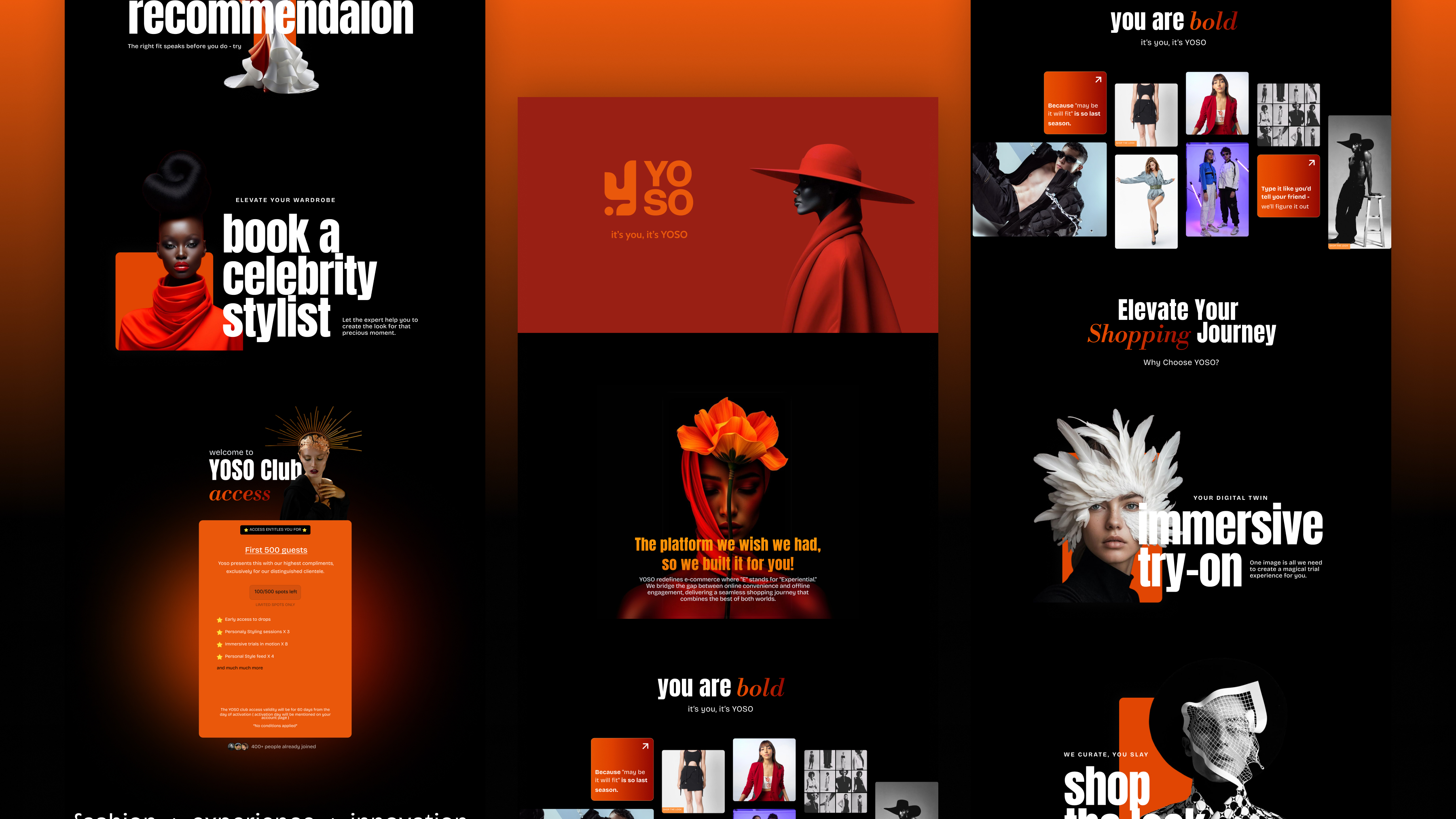
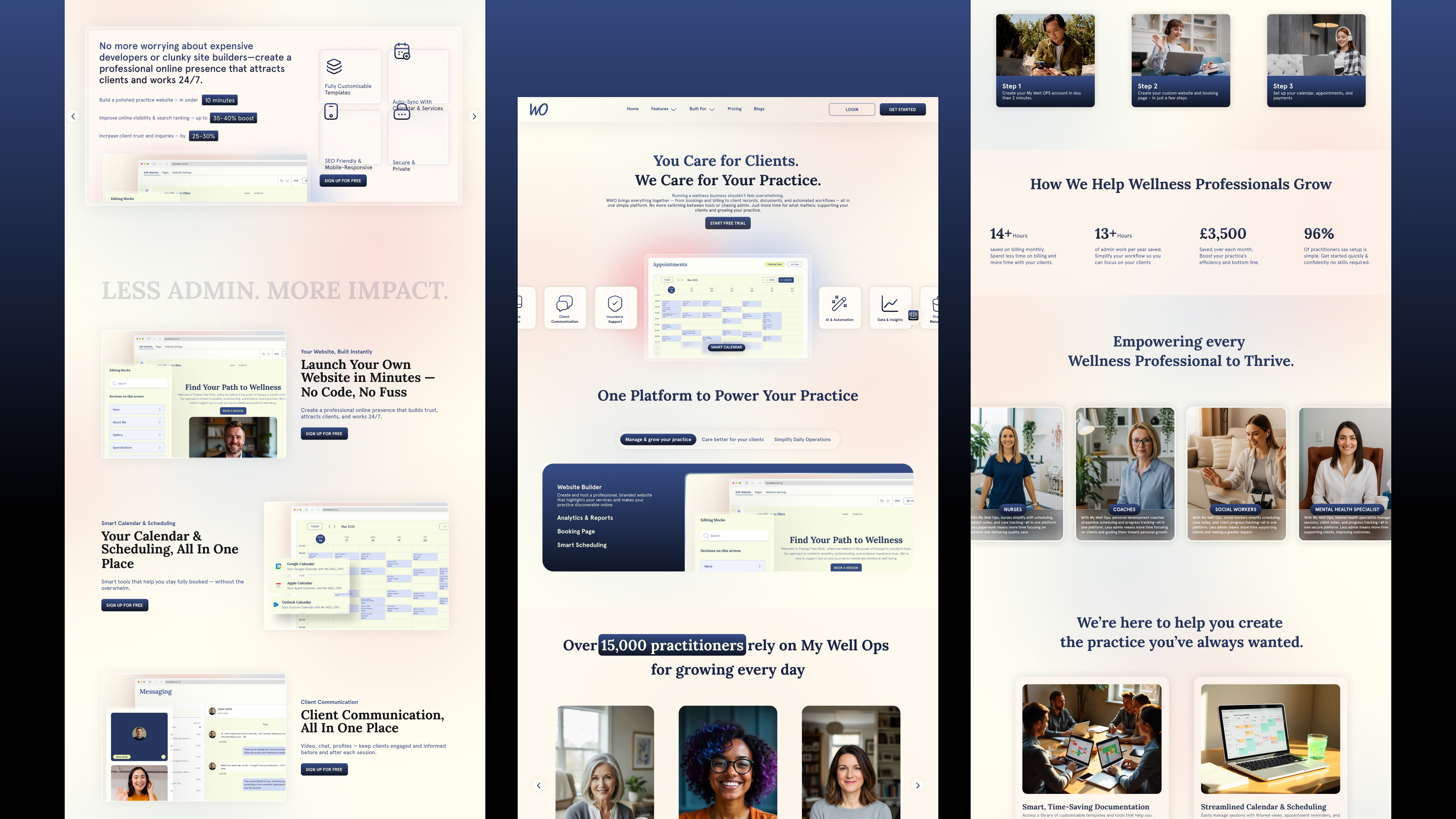
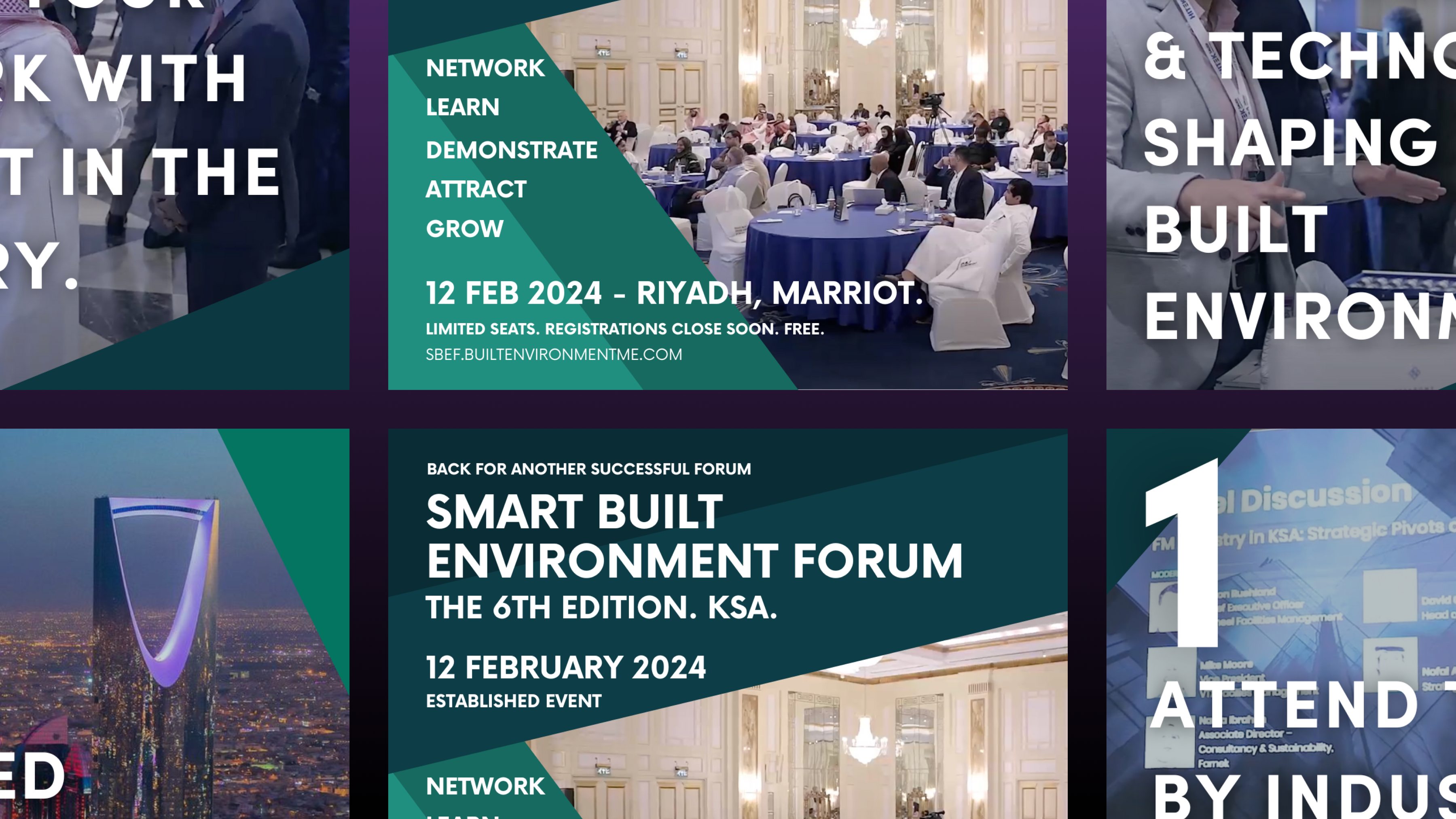
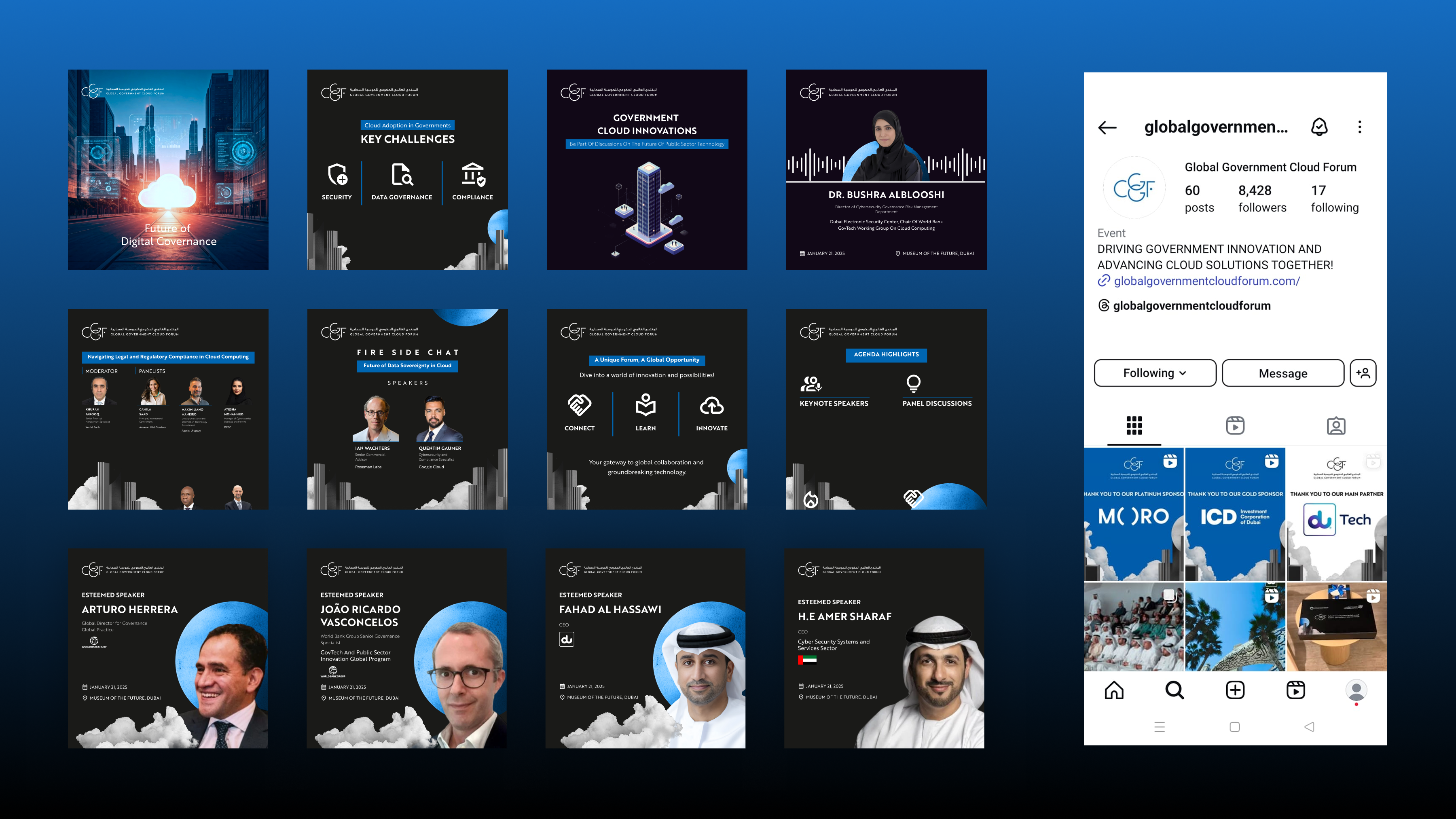
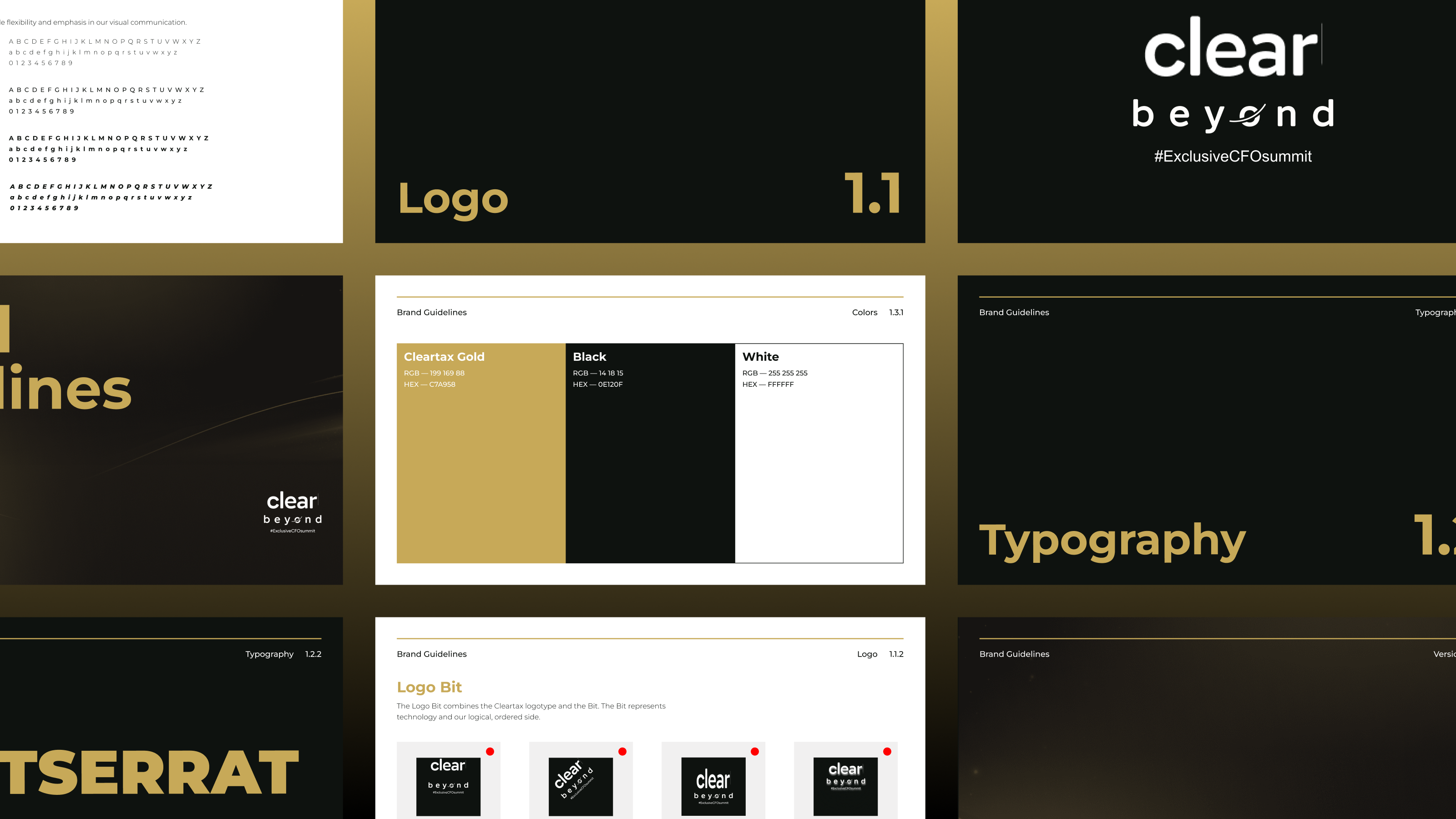
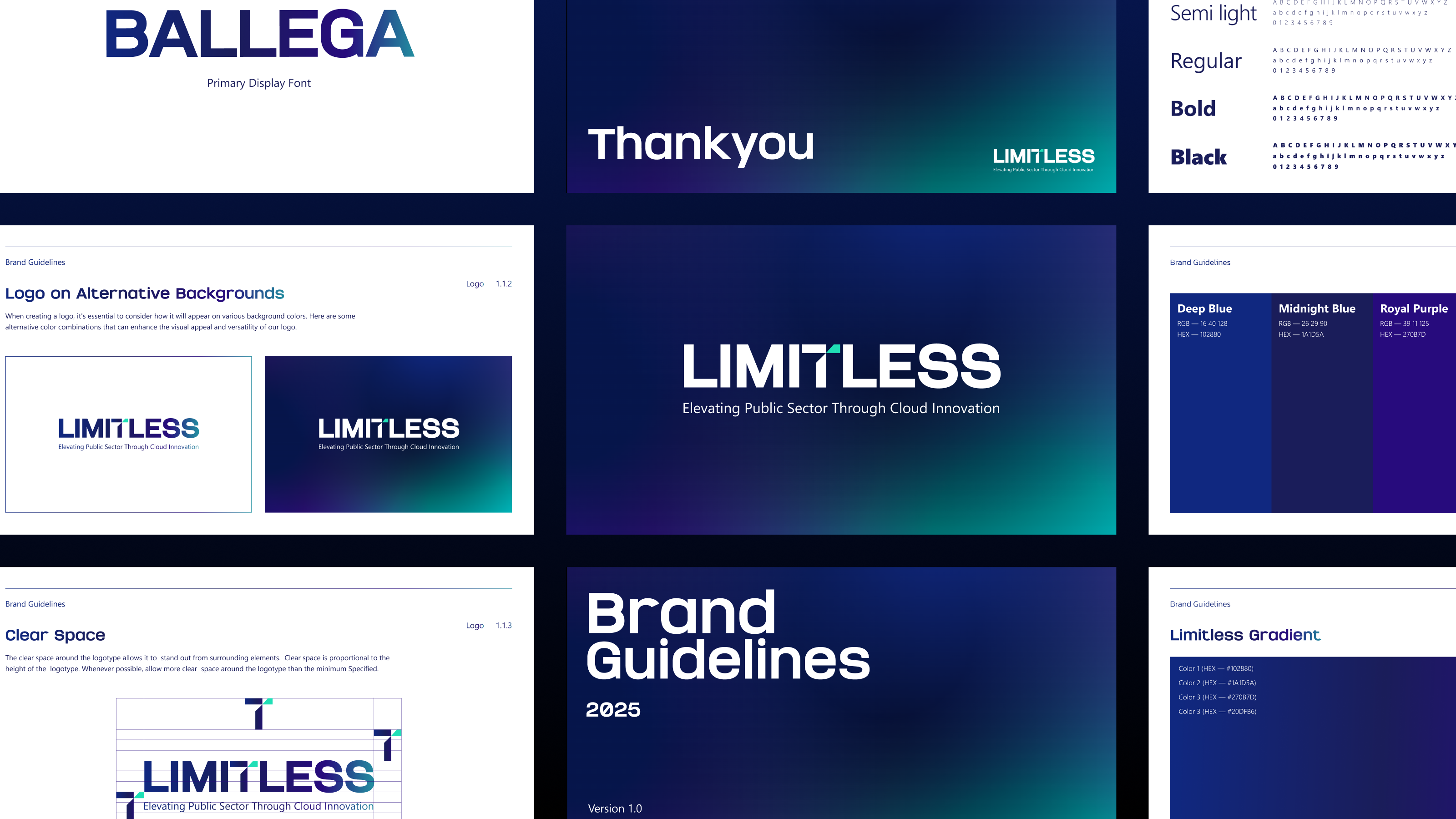
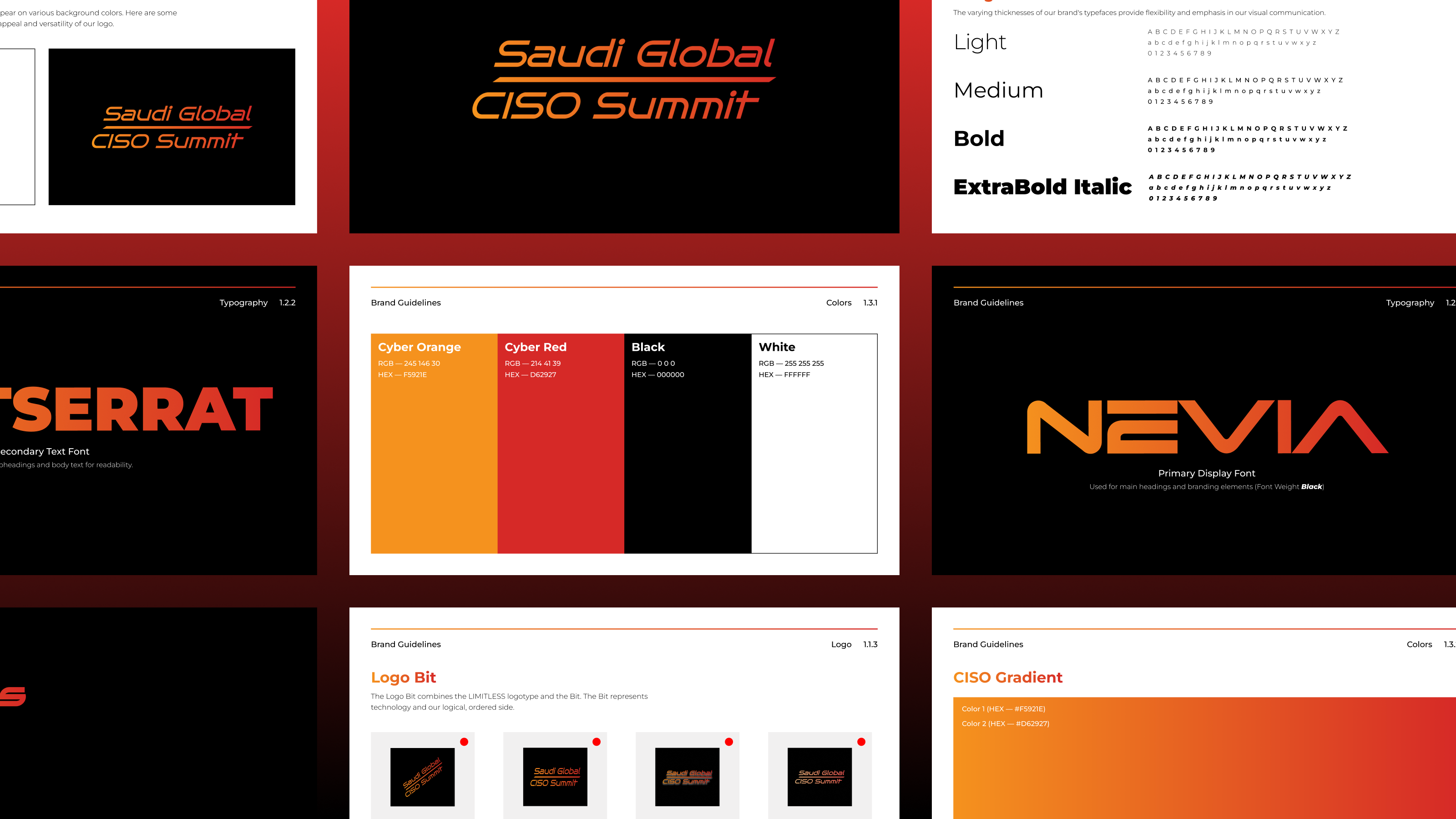
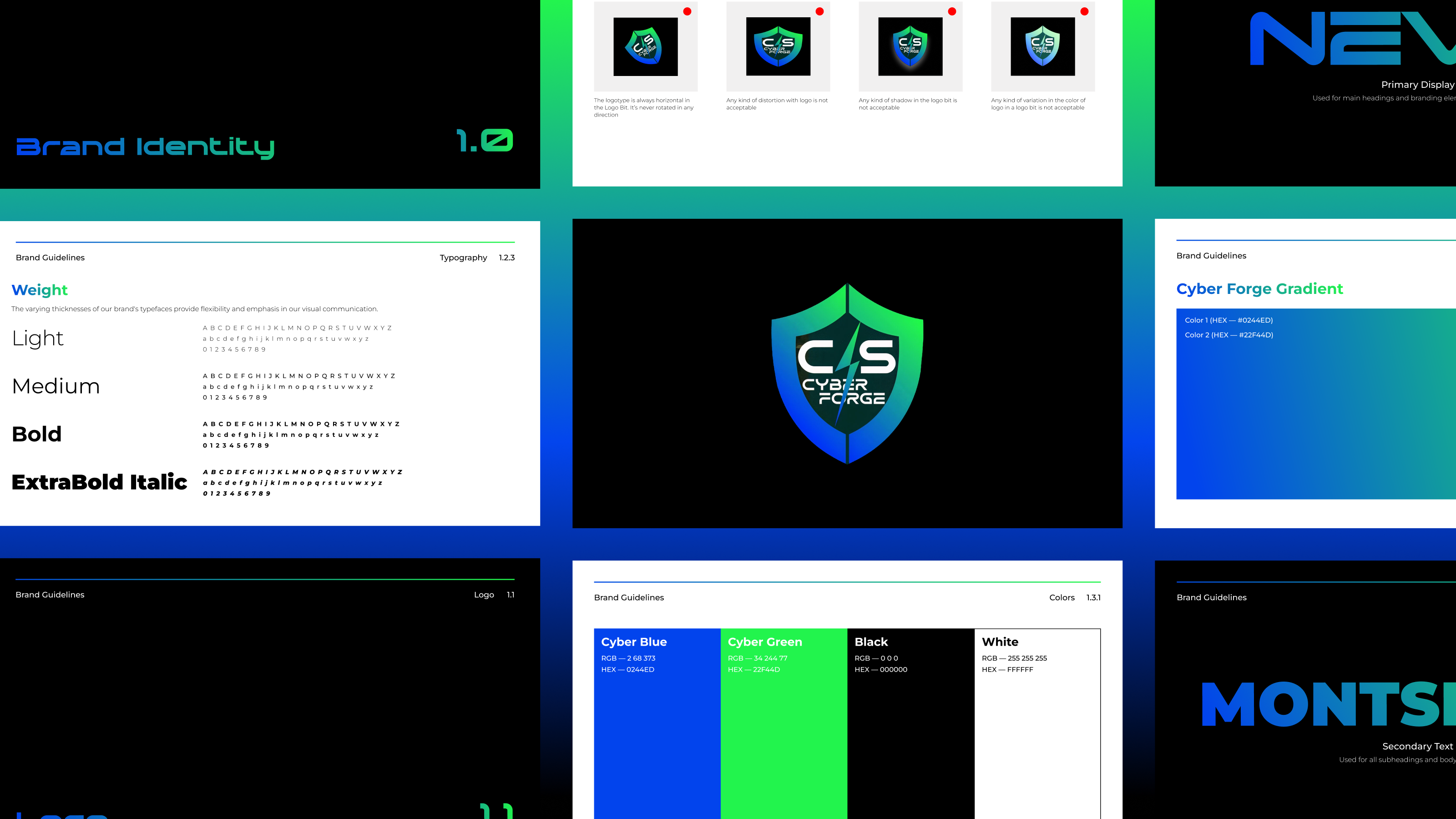
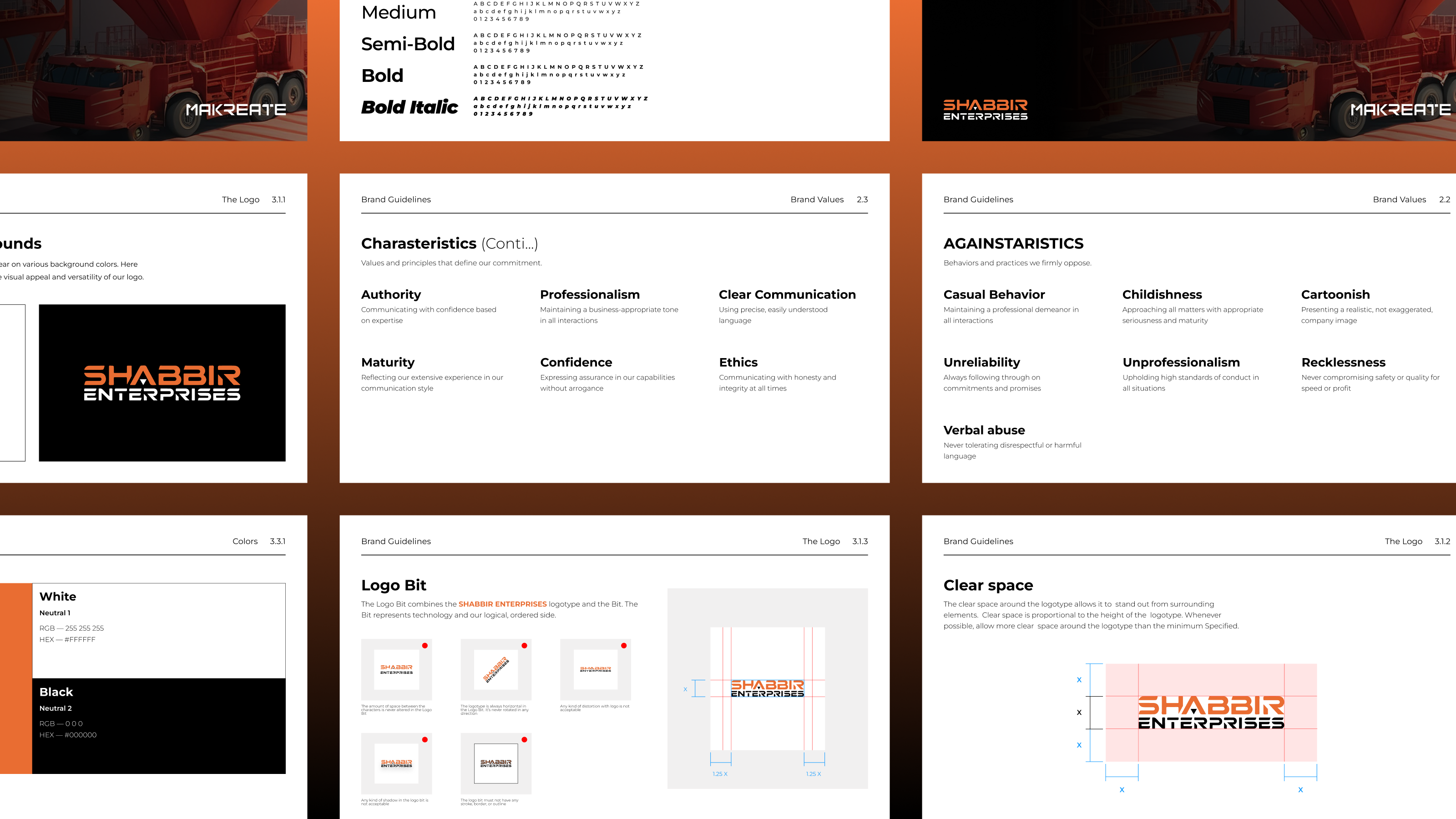
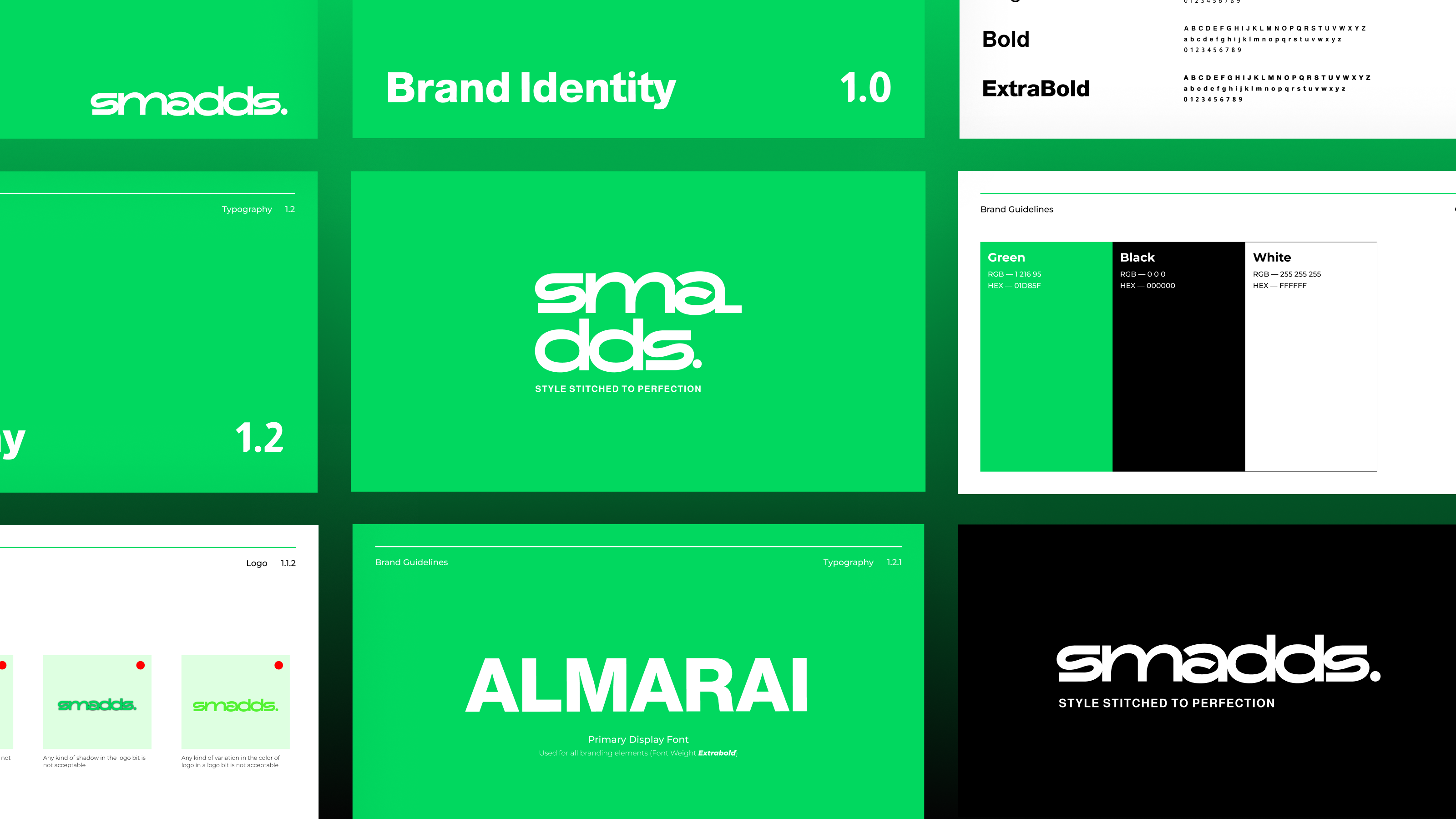
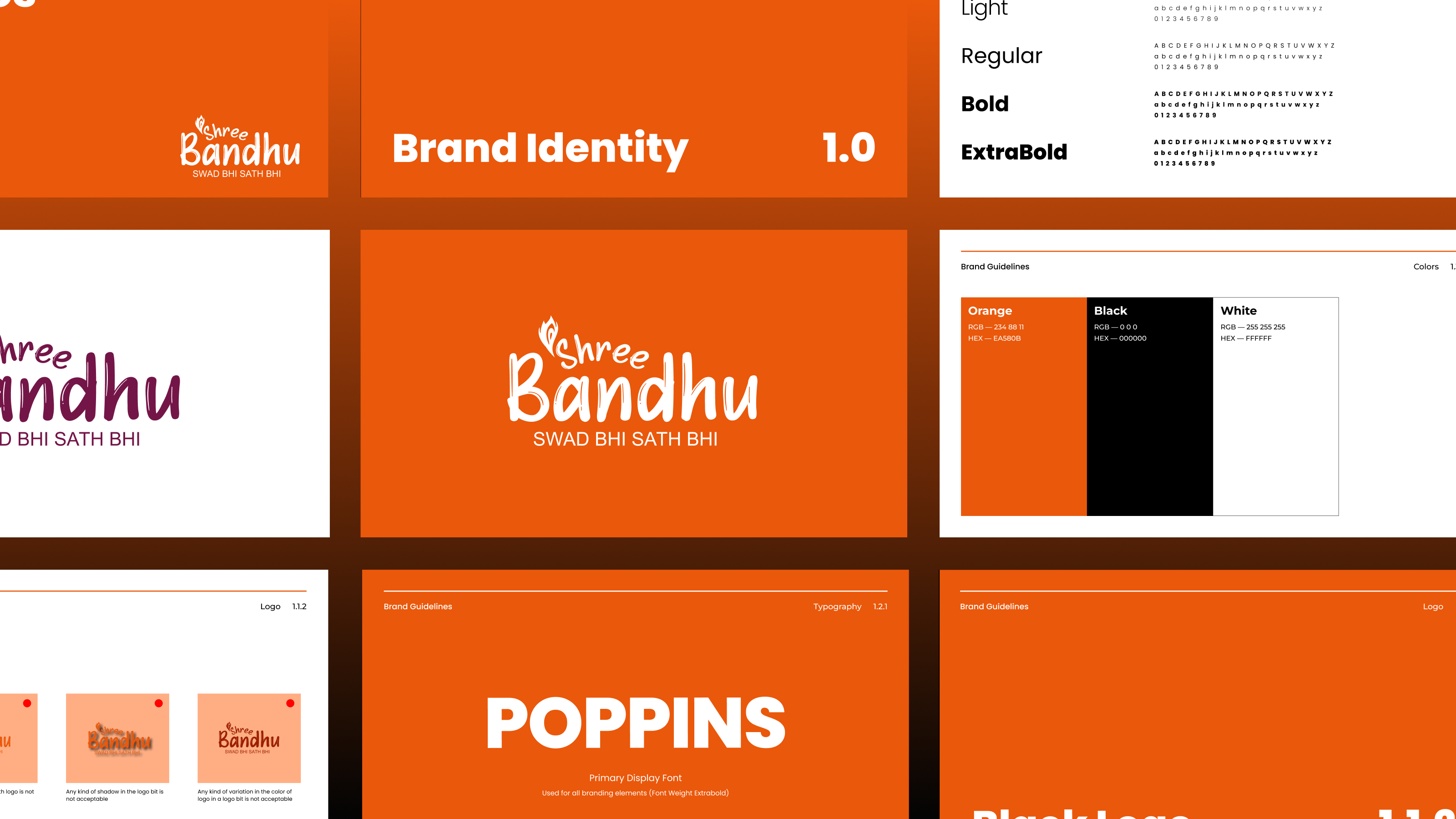
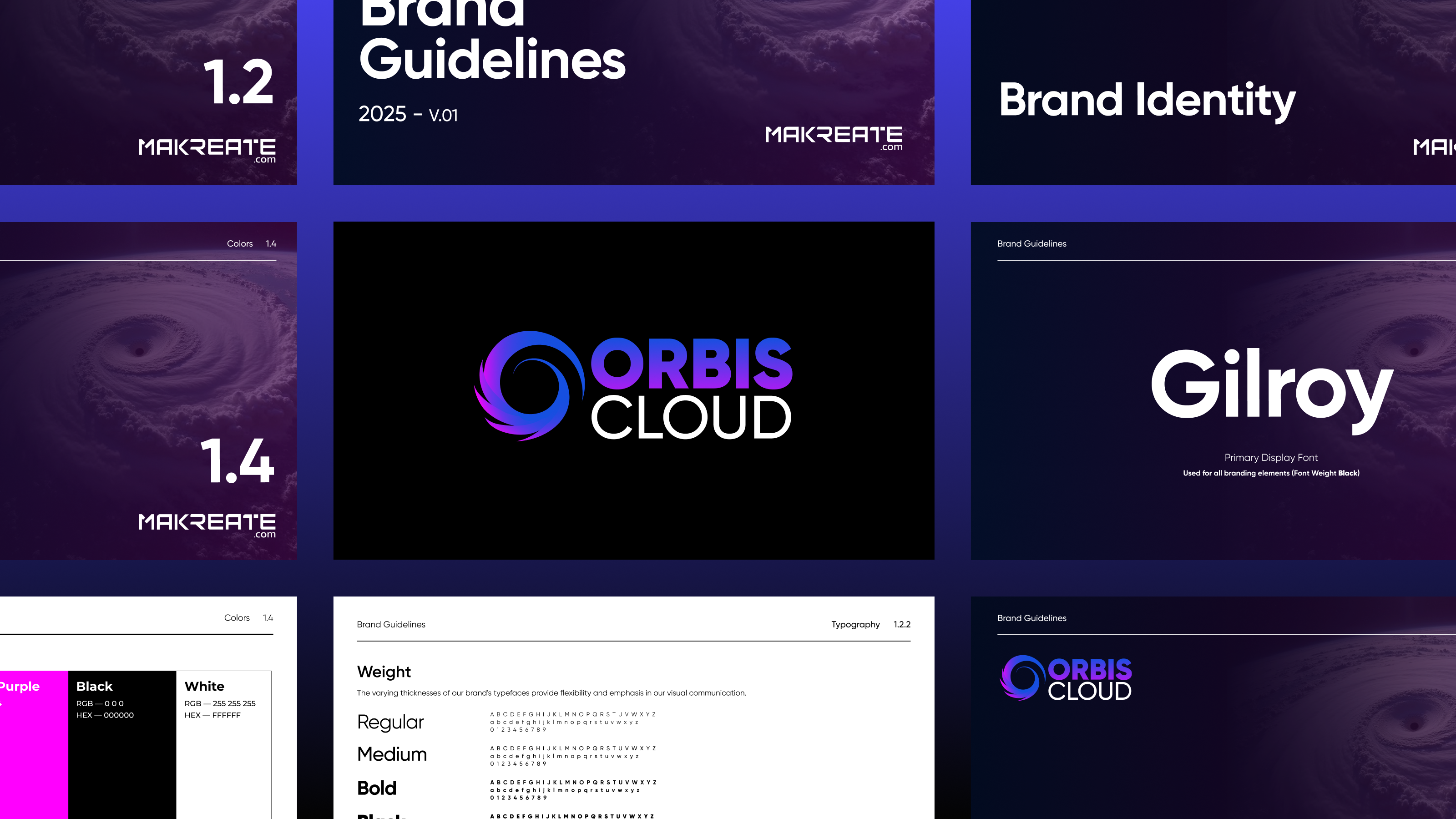
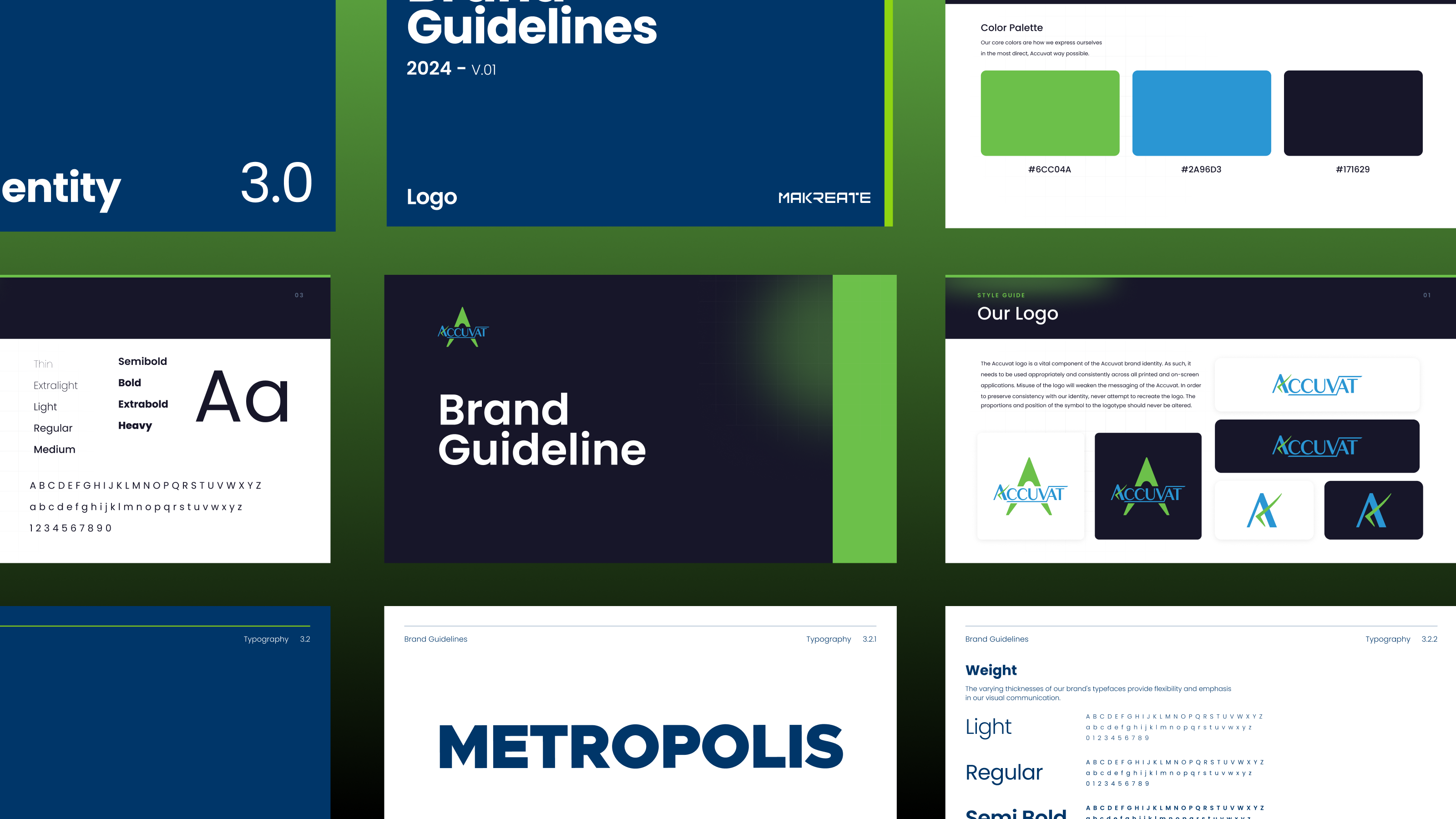
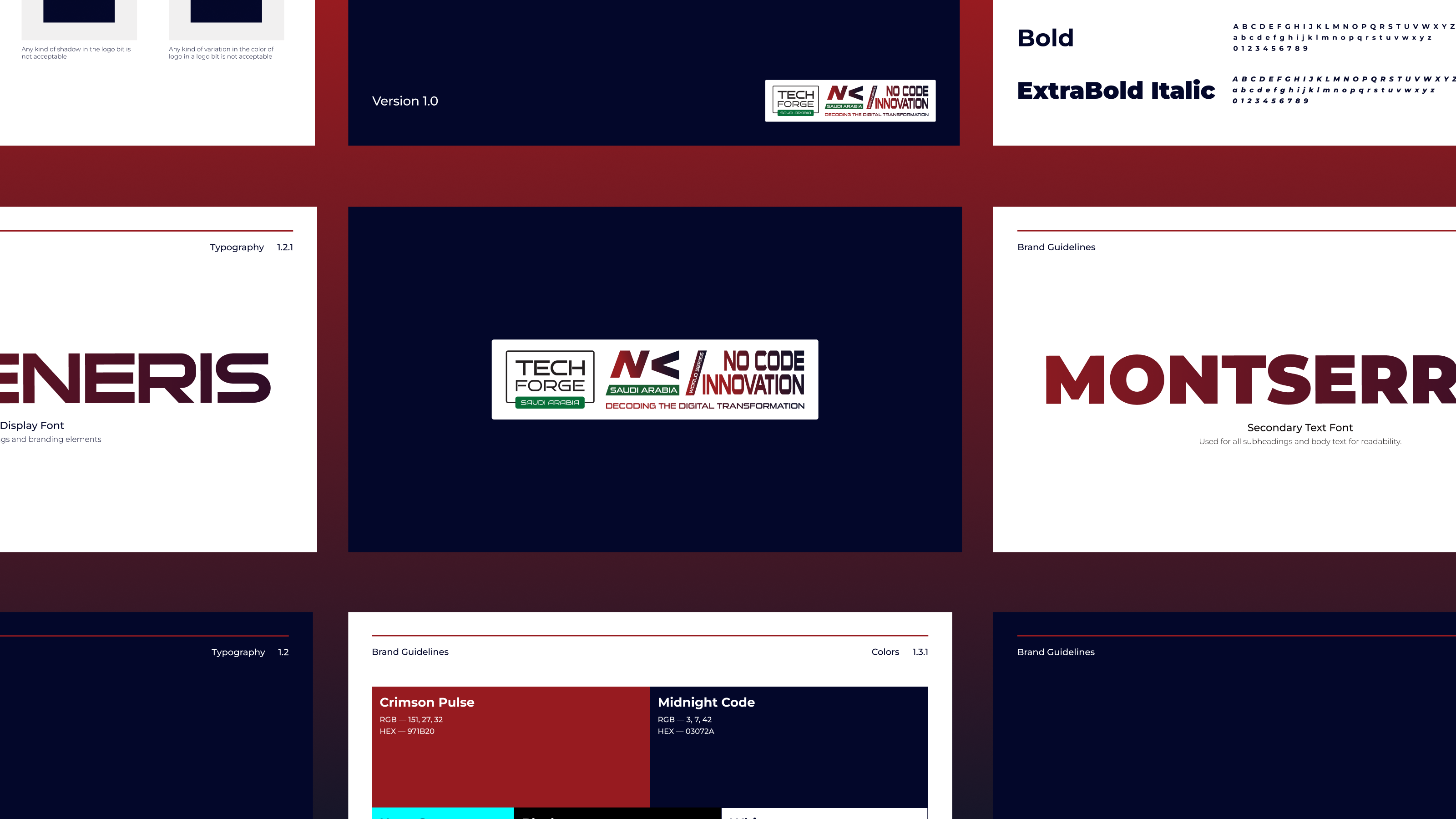
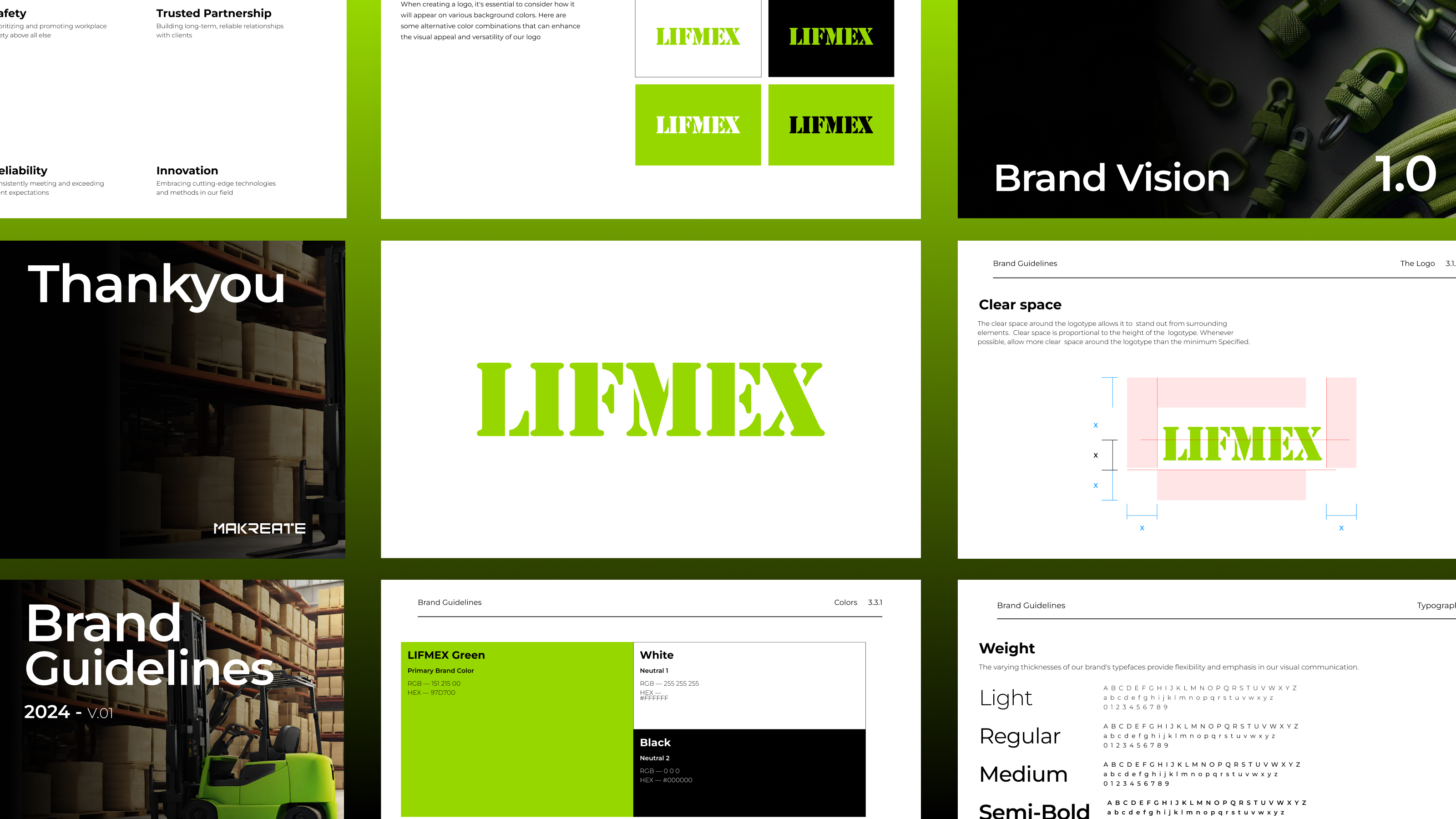
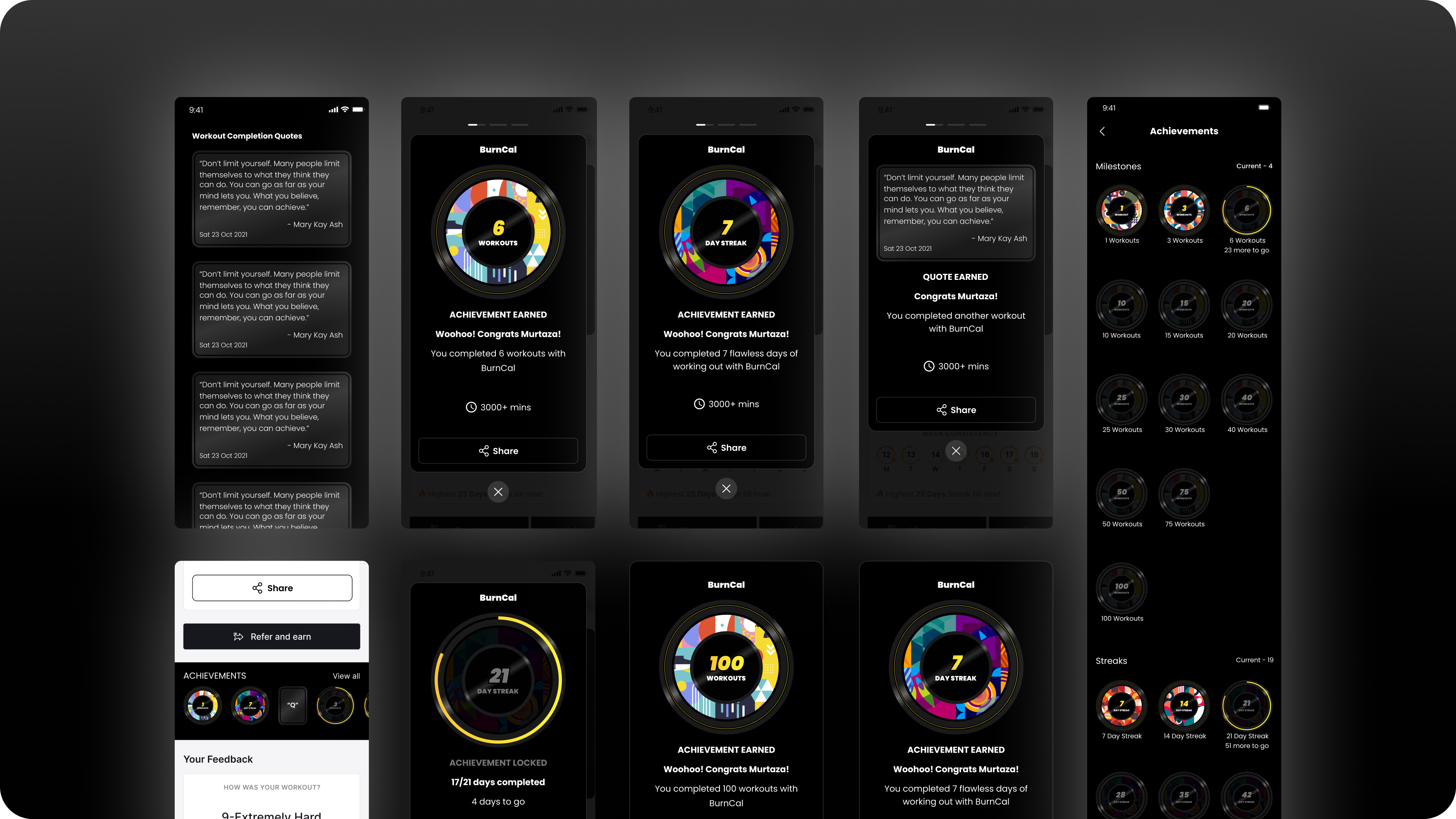
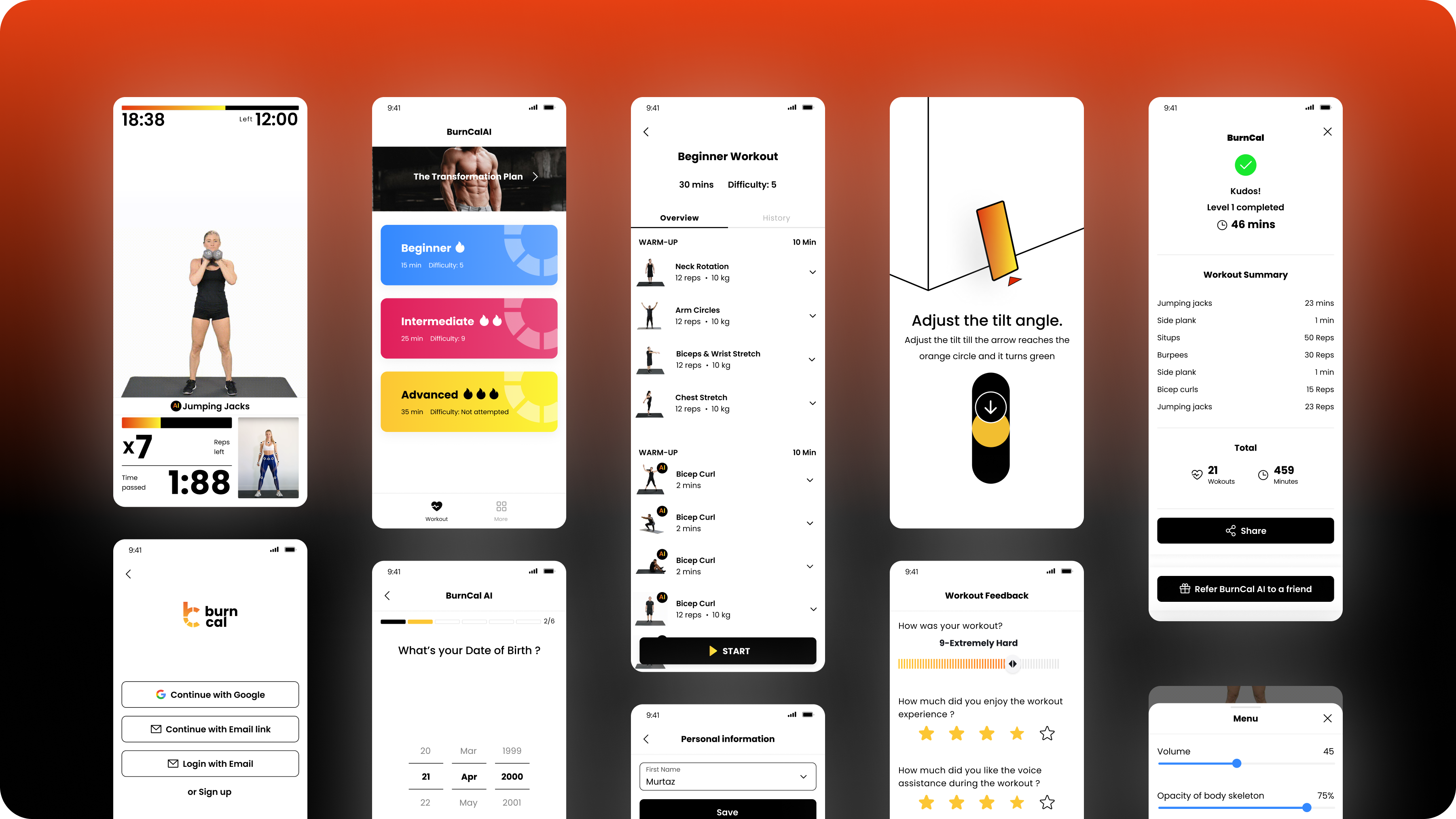
More Of Our Work

Frequently Asked Questions
What is User Experience Design (UX Design)?
User Experience Design (UX Design) is the process of designing digital products or systems that are useful, easy to use, and enjoyable for users. UX design involves understanding the needs, behaviors, and motivations of users, and using that understanding to design interfaces, interactions, and experiences that meet their needs.
The goal of UX design is to create products and systems that are user-centered and provide a positive experience for the user. This involves research, testing, and iteration to ensure that the final product is optimized for usability and user satisfaction.
In summary, UX design is about creating digital products and systems that are effective, efficient, and enjoyable for users. It involves understanding user needs, designing user-centered interfaces and experiences, and testing and refining the design through research and iteration.
Why should a company invest in UX Design?
There are several reasons why a company should invest in UX design for its products, heres a few:
User satisfaction: UX design focuses on creating products that are easy to use and enjoyable for users. By providing a positive experience, customers are more likely to use the product again and recommend it to others, which can help drive customer loyalty and revenue.
Competitive advantage: UX design can be a key differentiator for companies in competitive markets. By offering a superior user experience, companies can stand out from the competition and attract new customers.
Cost savings: By identifying user pain points early in the design process, UX designers can help reduce the risk of expensive redesigns or product failures down the road. This can result in significant cost savings for the company.
Increased efficiency: A well-designed product can help users complete tasks more quickly and easily, reducing frustration and increasing productivity. This can be particularly important for enterprise products or tools that are used on a daily basis.
Improved brand reputation: A product with a positive user experience can help enhance a company\\\\\\\\\\\\\\\\\\\\\\\\\\\\\\\\\\\\\\\\\\\\\\\\\\\\\\\\\\\\\\\\\\\\\\\\\\\\\\\\\\\\\\\\\\\\\\\\\\\\\\\\\\\\\\\\\\\\\\\\\\\\\\\'s brand reputation. Customers are more likely to view a company favorably if they have had a good experience using their products.
Increased conversion rates: A well-designed product can help improve conversion rates by making it easier for users to complete their desired actions (such as making a purchase or signing up for a service). This can result in increased revenue for the company.
Reduced customer support costs: By designing a product with an intuitive user interface and clear instructions, UX designers can help reduce the number of customer support inquiries. This can result in cost savings for the company.
Increased customer retention: A product with a positive user experience can help increase customer loyalty and retention. Customers are more likely to continue using a product that they enjoy and find easy to use, which can lead to repeat business and increased revenue over time.
Improved SEO: UX design can also have an impact on search engine optimization (SEO). By designing a product with a clear and easy-to-use structure, it can improve search engine rankings and drive more traffic to the website. This can result in increased brand exposure and revenue.
Reduced development costs: By involving UX designers in the early stages of product development, companies can identify potential issues and make design changes before development begins. This can help reduce the risk of costly development delays or redesigns down the line, resulting in cost savings for the company.
How will UX design, Service design and Brand design increase revenue, and profits for a company so they can get a high ROI for their investment?
UX design, service design, and brand design are important components of a company\\\\\\\\\\\\\\\\\\\\\\\\\\\\\\\\\\\\\\\\\\\\\\\\\\\\\\\\\\\\\\\\\\\\\\\\\\\\\\\\\\\\\\\\\\\\\\\\\\\\\\\\\\\\\\\\\\\\\\\\\\\\\\\'s overall design strategy that can increase revenue and profits by improving customer satisfaction, loyalty, and brand recognition. A well-designed user experience can increase conversions and reduce customer frustration, while service design can help create new revenue streams and tailor services to customer needs. Strong and consistent brand design can help companies stand out in a crowded marketplace and build brand loyalty. By investing in these design areas, companies can create a competitive advantage that leads to a high return on investment (ROI) and overall success.
What are some deliverables created by a User Experience company to ensure an excellent solution to any problem?
Here are 30 User Experience and 30 Service Design deliverables used to ensure an excellent solution to any problem:
User Experience Deliverables:
User personas: Semi-fictional representations of target users, based on research and data.
User journey maps: Visualizations of a user\\\\\\\\\\\\\\\\\\\\\\\\\\\\\\\\\\\\\\\\\\\\\\\\\\\\\\\\\\\\\\\\\\\\\\\\\\\\\\\\\\\\\\\\\\\\\\\\\\\\\\\\\\\\\\\\\\\\\\\\\\\\\\\'s experience with a product or service over time.
Information architecture: The organization and structure of content in a user-friendly way.
Site maps: Visual representations of the overall structure and hierarchy of a website or app.
Wireframes: Low-fidelity, schematic representations of individual pages or screens in a product.
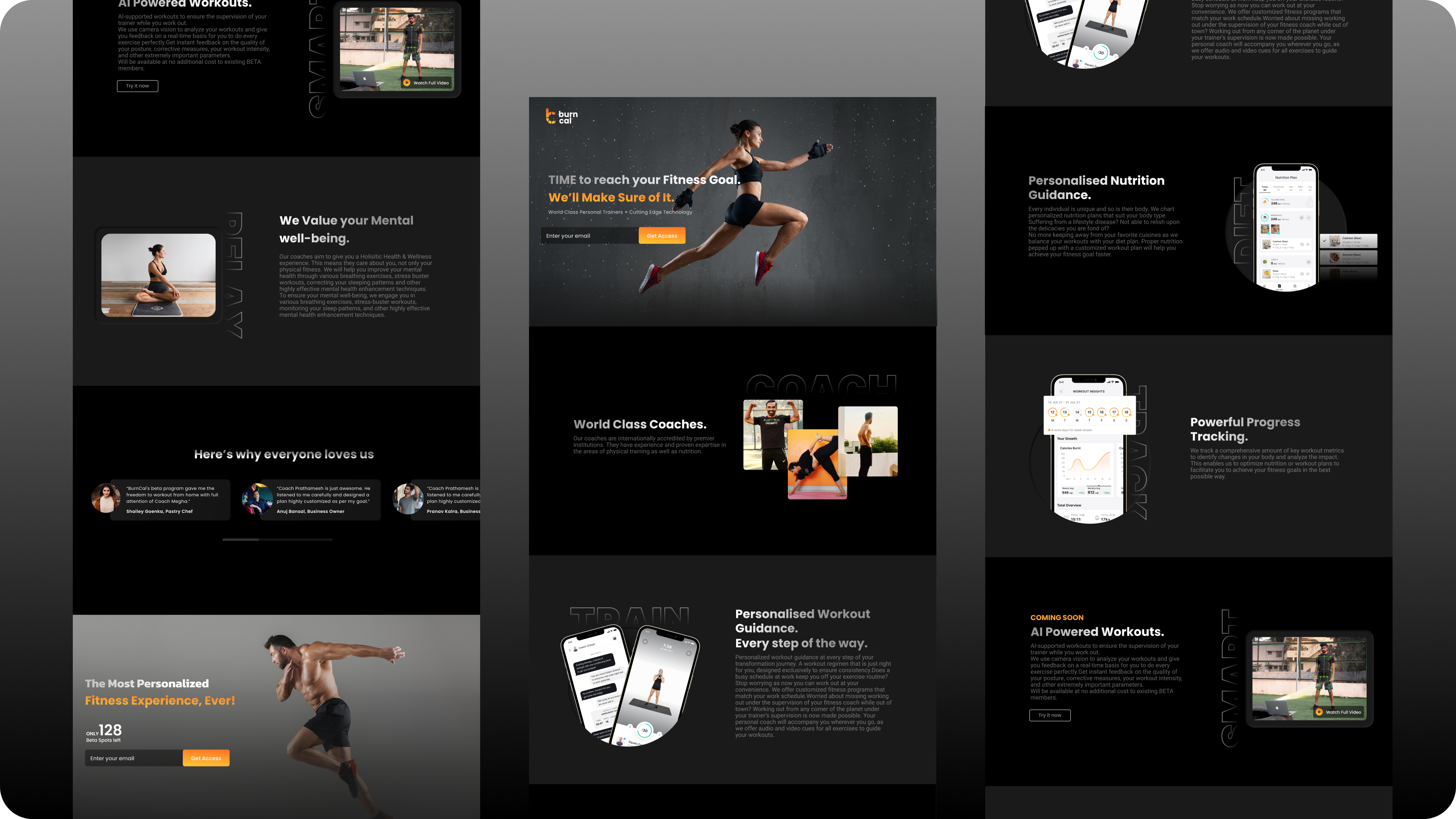
Mockups: High-fidelity, static designs that showcase the visual look and feel of a product.
Interactive prototypes: Functional, clickable models of a product, used for user testing and feedback.
Usability testing reports: Documentation of user testing results, including observations, issues, and recommendations.
User flow diagrams: Visualizations of the paths users take through a product to accomplish specific tasks.
Content strategy: A plan for creating, delivering, and maintaining useful, usable content.
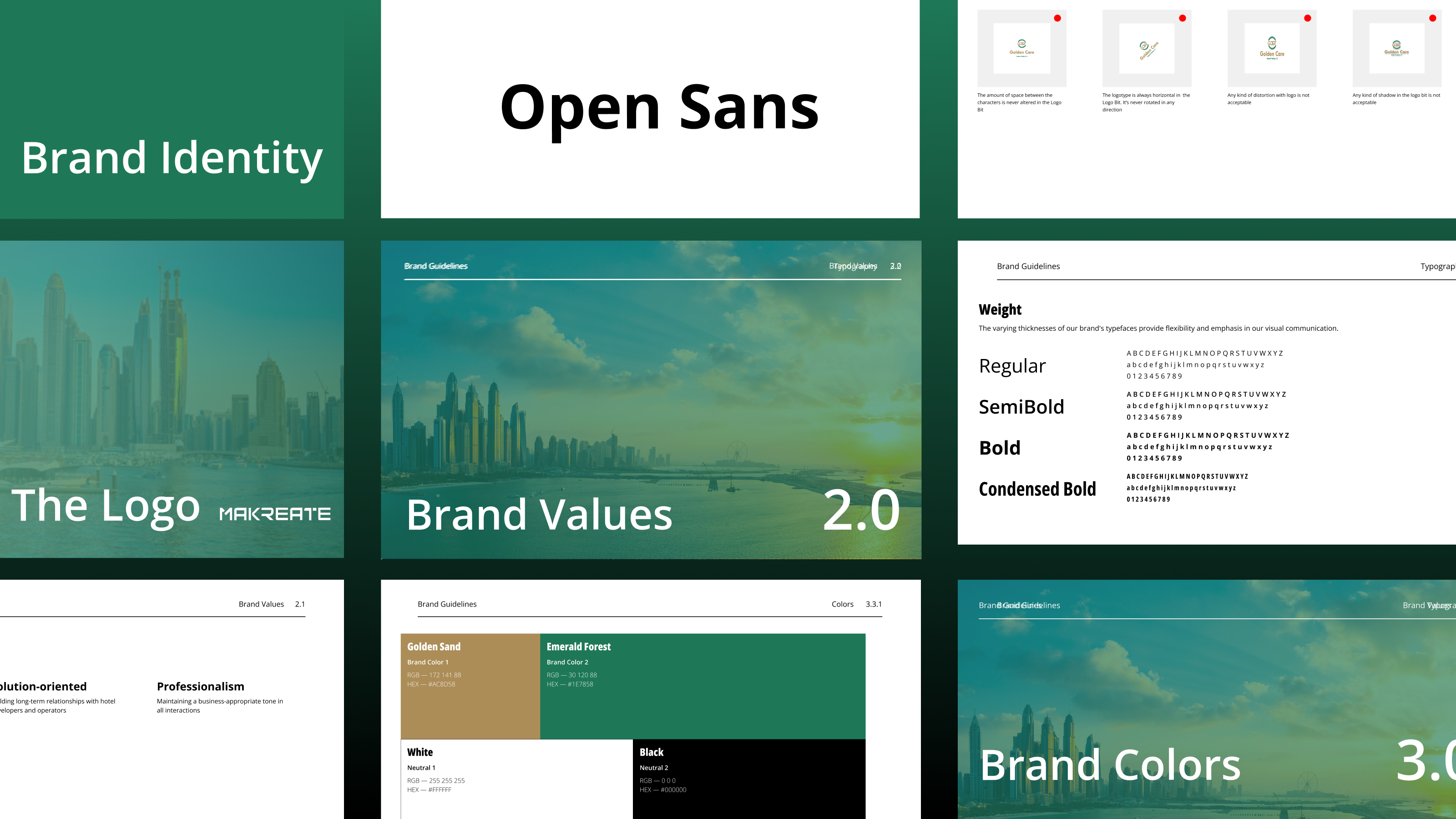
Style guides: Documentation of design principles, UI components, and visual styles for consistency.
Design systems: A comprehensive collection of reusable components, guidelines, and tools for building products.
Accessibility audits: Evaluations of a product\\\\\\\\\\\\\\\\\\\\\\\\\\\\\\\\\\\\\\\\\\\\\\\\\\\\\\\\\\\\\\\\\\\\\\\\\\\\\\\\\\\\\\\\\\\\\\\\\\\\\\\\\\\\\\\\\\\\\\\\\\\\\\\'s compliance with accessibility guidelines and recommendations for improvement.
User interface (UI) designs: The visual elements and interactions that make up a product\\\\\\\\\\\\\\\\\\\\\\\\\\\\\\\\\\\\\\\\\\\\\\\\\\\\\\\\\\\\\\\\\\\\\\\\\\\\\\\\\\\\\\\\\\\\\\\\\\\\\\\\\\\\\\\\\\\\\\\\\\\\\\\'s interface.
Responsive designs: Designs that adapt to different screen sizes and devices for an optimal user experience.
Design patterns library: A collection of design solutions for recurring usability problems.
Task analysis: Breakdown of user tasks into smaller steps to understand user needs and goals.
Heuristic evaluations: Expert assessments of a product\\\\\\\\\\\\\\\\\\\\\\\\\\\\\\\\\\\\\\\\\\\\\\\\\\\\\\\\\\\\\\\\\\\\\\\\\\\\\\\\\\\\\\\\\\\\\\\\\\\\\\\\\\\\\\\\\\\\\\\\\\\\\\\'s usability based on established principles and guidelines.
Competitive analysis: Evaluations of competitor products to identify strengths, weaknesses, and opportunities.
User interviews: Conversations with users to gather insights and feedback about their experiences.
User surveys: Questionnaires used to gather quantitative and qualitative data from users.
Analytics analysis: Examination of user behavior data to inform design decisions.
UX metrics: Quantitative measures of user experience, such as task completion rates or error rates.
Usability benchmarks: Established criteria for evaluating and comparing the usability of different products.
Card sorting: A technique for organizing and categorizing content based on user input.
Customer journey maps: Visualizations of a customer\\\\\\\\\\\\\\\\\\\\\\\\\\\\\\\\\\\\\\\\\\\\\\\\\\\\\\\\\\\\\\\\\\\\\\\\\\\\\\\\\\\\\\\\\\\\\\\\\\\\\\\\\\\\\\\\\\\\\\\\\\\\\\\'s experience with a brand across multiple touchpoints.
Experience maps: Holistic overviews of a user\\\\\\\\\\\\\\\\\\\\\\\\\\\\\\\\\\\\\\\\\\\\\\\\\\\\\\\\\\\\\\\\\\\\\\\\\\\\\\\\\\\\\\\\\\\\\\\\\\\\\\\\\\\\\\\\\\\\\\\\\\\\\\\'s end-to-end experience with a product or service.
A/B testing reports: Analysis of design variations to determine which performs better.
UX audit reports: Comprehensive evaluations of a product\\\\\\\\\\\\\\\\\\\\\\\\\\\\\\\\\\\\\\\\\\\\\\\\\\\\\\\\\\\\\\\\\\\\\\\\\\\\\\\\\\\\\\\\\\\\\\\\\\\\\\\\\\\\\\\\\\\\\\\\\\\\\\\'s user experience, with recommendations for improvement.
UX workshop facilitation: Leading collaborative sessions with stakeholders to define project goals, brainstorm ideas, and make decisions.